
How to Install Lighting: A Homeowner's Complete Guide
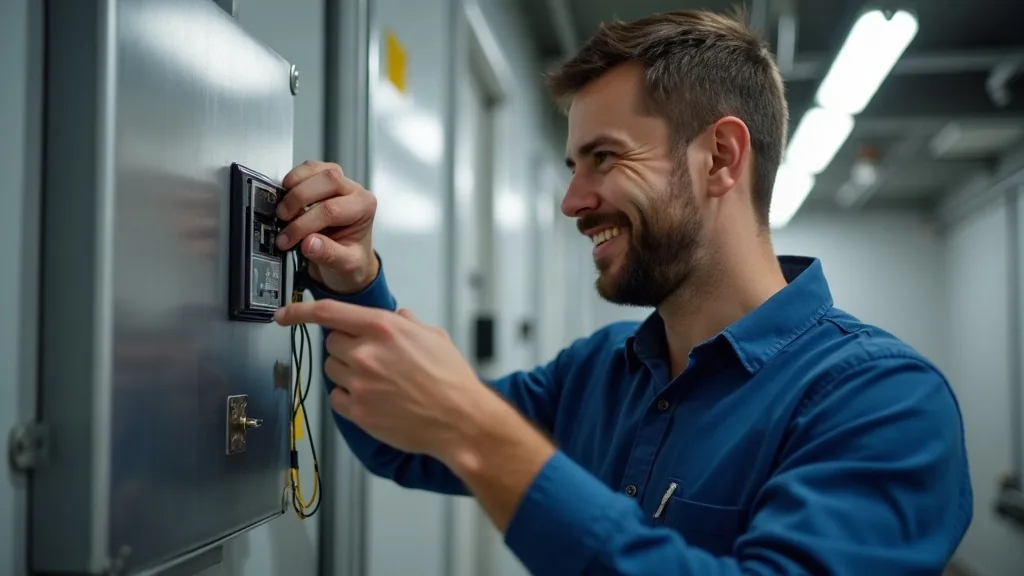
Before any fixture goes up, you need three things confirmed: the circuit is de-energized at the breaker, the box is rated for the fixture's weight, and the existing wiring is compatible with what you're installing. In Yakima, that third point stops a lot of jobs cold.
How to Install Lighting: The Core Process Explained
What Every Lighting Installation Actually Requires Before You Touch a Wire
Before any fixture goes up, you need three things confirmed: the circuit is de-energized at the breaker, the box is rated for the fixture's weight, and the existing wiring is compatible with what you're installing. In Yakima, that third point stops a lot of jobs cold.
Homes built before 1980 in the Yakima Valley frequently have aluminum branch-circuit wiring. Aluminum and modern device terminals don't mix safely without CO/ALR-rated connectors or proper pigtailing with antioxidant compound. Skip that step and you're looking at a fire risk, not just a code violation.
Key pre-work checklist:
- Verify breaker is off, then test with a non-contact voltage tester at the junction box
- Confirm the box is rated for fan/fixture weight (standard boxes max out around 35 lbs)
- Identify wire material — aluminum wiring has "AL" stamped on the sheathing
- Check your permit requirement: City of Yakima Code Administration Division and Yakima County Building Department have separate jurisdictions with different thresholds for when a permit is required
Step-by-Step: Installing a Standard Light Fixture
- Kill power at the circuit breaker and verify with a tester
- Remove the old fixture and photograph the existing wire connections before disconnecting anything
- Check for aluminum wiring — if present, stop and call a licensed electrician
- Connect ground first, then neutral (white), then hot (black) using wire nuts or push-in connectors rated for the wire gauge
- Tuck wires carefully into the box — crowded boxes cause overheating
- Mount the bracket, hang the fixture, install bulbs, restore power, test
Total light fixture cost
Can Lighting Installation: What's Different About Recessed Fixtures
Can lighting installation is more involved than swapping a fixture because you're often cutting new ceiling penetrations and running cable — work that almost always requires a permit.
One expert judgment from the field: if your home has a Federal Pacific panel or Zinsco panel, do not add recessed lighting circuits without a full panel evaluation first. These panels have documented breaker-failure issues, and adding load to a compromised panel is the wrong move regardless of how good the NEC-compliant wiring looks downstream. Yakima's temperature swings — from below 10°F in winter to over 100°F in summer — stress electrical connections year-round, and a failing breaker in that environment is a genuine hazard.
For recessed lighting, also specify IC-rated cans anywhere attic insulation contacts the fixture. Non-IC cans in insulated ceilings are a code violation and a heat buildup problem — something Pacific Power outage data indirectly reflects in peak summer stress events.
What Drives Light Fixture Cost in Yakima Homes
Fixture Price vs. Labor: Where Most of the Budget Actually Goes
Homeowners consistently underestimate labor relative to fixture price. The fixture is often the smaller line item.
What drives labor up fast:
- Attic access issues — blown-in insulation or tight truss spacing slows every step
- Circuit breaker work
- Junction box replacement — older boxes rated for fixed loads can't legally support certain fixture weights without an upgrade
- Finished ceilings — top light installation in a room with no attic above it means fishing wire through walls, which doubles time
Why Pre-1980 Yakima Homes Often Cost More to Update
Yakima's housing stock has a high concentration of pre-1980 homes, and three things consistently raise project costs in them.
Aluminum branch-circuit wiring. Many Valley homes from the 1960s–70s used aluminum wiring at 15- and 20-amp branch circuits. Connecting a new light fixture to aluminum wiring without the correct CO/ALR-rated devices or AlumiConn connectors is a fire hazard — and a code violation. We see this skipped on DIY jobs regularly.
Federal Pacific and Zinsco panels. Both are still common in older Yakima neighborhoods. Neither meets current safety standards, and adding circuits to them is something we won't do without recommending replacement. The City of Yakima Code Administration Division and Yakima County Building Department both require permits for panel work, and inspectors know these panels on sight.
Seasonal temperature swing stress. Yakima's 100°F summers and hard freezes stress wiring insulation over decades. Brittle insulation in a pre-1980 home isn't cosmetic — it's a real shock and fire risk during any rewiring work.
How Pacific Power Rebates Can Offset Your Upgrade Costs
Pacific Power offers residential rebates for qualifying LED fixtures and controls. The best light installation projects plan for this upfront — choose fixtures on the qualifying product list before purchase, not after. Your electrician should confirm eligibility during the estimate phase, not as an afterthought.
Code, Permits, and Safety: What Yakima Homeowners Must Know
When a Permit Is Required for Lighting Work in Yakima
Replacing a ceiling fixture one-for-one on an existing circuit typically doesn't trigger a permit. Adding a new circuit, relocating a junction box, or running fresh wire for a can lighting installation almost always does—and the jurisdiction matters more than most homeowners realize.
- City of Yakima: Pull permits through the City of Yakima Code Administration Division. Inspections are scheduled separately and can take 3–5 business days to book during busy spring and summer seasons.
- Yakima County (unincorporated areas): Permits go through the Yakima County Building Department. Rules around recessed lighting in vaulted ceilings differ slightly from city code, so confirm before you open drywall.
Skip the permit and you risk a failed home inspection at resale—or worse, a voided homeowner's insurance claim after a fire.
AFCI Protection and the NEC Requirements That Apply Here
The NEC (National Electrical Code) now requires AFCI breaker protection on virtually every living-space circuit, including bedroom and living room lighting. What complicates this in Yakima is the housing stock: a significant number of homes built before 1980 still have aluminum branch-circuit wiring, which expands and contracts more than copper and loosens connections at device terminals over time.
Installing a new top light installation on aluminum wiring without using CO/ALR-rated devices is one of the most consistent mistakes we see. An AFCI breaker will catch arc faults, but only if the connections are correct to begin with.
If your home still has a Federal Pacific panel or a Zinsco panel, no lighting project should start without a full panel evaluation first.
Seasonal Electrical Stress and Why Yakima's Climate Raises the Stakes
Yakima's temperature swing—routinely 105°F in July and below 10°F in January—puts real mechanical stress on wire terminations and junction box connections. Thermal cycling causes conductors to expand and contract repeatedly, which loosens wire nuts and push-in connectors over years.
Pacific Power records show demand spikes at both seasonal extremes, meaning circuits are under load precisely when connections are at their most stressed. For recessed lighting or any best light installation in an unconditioned attic space, use listed wire connectors rated for temperature cycling and inspect terminations every few years—not just when something fails.
Best Light Installation Practices: DIY Limits and When to Call a Pro
What a Homeowner Can Safely Do vs. What Requires a Licensed Electrician
Swapping a ceiling fixture for a like-for-like replacement on a dead circuit is genuinely within reach for a careful homeowner. Everything beyond that—new can lighting installation, adding circuits, or touching aluminum branch-circuit wiring—crosses into licensed territory, full stop.
Safe DIY territory:
- Replacing a fixture on an existing, properly sized circuit
- Installing a ceiling fan where a fan-rated box already exists
- Swapping a standard switch for a dimmer (on copper wiring only)
Call a licensed electrician when:
- Running new wire for recessed lighting or top light installation
- Working in homes built before 1980 (aluminum wiring risk)
- Any panel work, including adding an AFCI breaker
- Pulling a permit through the City of Yakima Code Administration Division or Yakima County Building Department
Red Flags Inside the Junction Box That Mean Stop and Call
We open junction boxes on older Yakima homes and regularly find aluminum branch-circuit wiring connected with steel wire nuts—a fire hazard that looks fine until it isn't. Other immediate stop signs:
- Scorched insulation or melted wire nuts
- Double-tapped breakers in a Federal Pacific or Zinsco panel
- Wire gauges that don't match the circuit breaker rating
- No visible ground wire in a pre-1980 box
NEC and local code both require these conditions be corrected before any new light fixture cost gets added to the circuit.
How to Find and Vet an Electrician for Lighting Work in Yakima
Yakima's temperature swings—routinely 100°F summers and hard freezes in winter—stress wiring connections year-round, so hire someone who knows the local conditions, not just the code book.
Verify any electrician is licensed through Washington Labor & Industries and confirm they've pulled permits with the City of Yakima Code Administration Division or Yakima County Building Department before. Ask directly: Have you worked on aluminum wiring or Federal Pacific panels in Yakima? A confident, specific answer tells you everything.
Yakima Electricians connects you with licensed local electrical contractors. One call, no form.
Call (509) 992-1165Frequently Asked Questions
Can I install lighting myself in Yakima, or do I need an electrician?
Simple fixture replacements are DIY-friendly, but new wiring, panel connections, or outdoor lighting typically require a licensed electrician in Yakima. Washington State electrical codes enforce permit requirements for most new installations. Hiring a local Yakima electrician ensures safe, code-compliant work and passed inspections.
What permits are required to install lighting in Yakima, WA?
New lighting circuits generally require an electrical permit from the City of Yakima or Yakima County. Simple fixture swaps on existing circuits usually don't need permits. A licensed Yakima electrician can pull permits on your behalf, saving you time and ensuring full code compliance.
How much does it cost to install lighting in Yakima?
Recessed lighting, outdoor fixtures, or installations requiring new wiring cost more. Always request itemized quotes from licensed Yakima electricians to compare labor and material costs accurately.
How long does lighting installation take in Yakima?
A single fixture replacement usually takes one to two hours. Installing multiple recessed lights or running new circuits can take a full day or longer. Yakima electricians can assess your project scope upfront and provide realistic timelines based on your home's existing wiring and layout.
What type of lighting is best for Yakima homes?
LED lighting is highly recommended for Yakima homes due to energy efficiency and long lifespan. Recessed LEDs suit kitchens and living rooms, while outdoor fixtures should be rated for Washington's weather conditions. A Yakima electrician can recommend appropriate fixtures balancing aesthetics, efficiency, and local climate demands.