01
Why Would You Need to Rewire a House?
outdated wiringinsurancesafety
A full or partial rewire becomes necessary when a home's electrical system can no longer safely handle modern loads or when it poses a measurable fire or shock risk.
Outdated wiring types — knob-and-tube, ungrounded two-prong systems, and degraded insulation — are the most common triggers. Beyond safety, insurance is a growing pressure: many Washington State carriers will decline or surcharge coverage on homes with known hazardous wiring or legacy panels. Yakima's wide seasonal temperature swing — exceeding 90°F between summer highs and winter lows — accelerates the deterioration of aging conductors and panel components, turning a slow problem into an urgent one faster than homeowners expect.
02
When Is It Time to Rewire an Old House in Yakima?
knob-and-tubealuminum wiringpre-1970s homes
The clearest signal for replacing electrical wiring in old houses is the presence of knob-and-tube or aluminum wiring, both of which were standard in Yakima homes built before 1970.
Aluminum wiring was widely installed between roughly 1965 and 1973 and carries an elevated fire risk at every connection point. Federal Pacific and Zinsco panels — common in pre-1980 Yakima homes — compound that risk. The cost for rewiring an old house rises with wall construction type and remediation complexity, but the cost to redo electrical in an old house almost always comes out lower than the long-term liability of leaving hazardous materials in place. If your home has had no documented electrical updates since the 1970s, schedule an inspection now.
03
How Much Does House Rewiring Cost?
cost per sqftpanel upgradepermit fee
The typical cost to rewire a house rises when walls are plaster rather than drywall, when a panel upgrade is needed alongside the wiring work, or when legacy aluminum circuits require full replacement. Permit fee schedules differ between the City of Yakima Code Administration Division and Yakima County Building Department, so confirm which jurisdiction applies before budgeting. Pacific Power offers rebate programs that can offset panel upgrade costs — worth checking before you finalize your project scope. Request a local quote for an accurate figure.
04
How Long Does a Full House Rewire Take?
occupied homedrywall repairtimeline
A full house rewire for an average Yakima home takes 3 to 10 days of active work, depending on size and access.
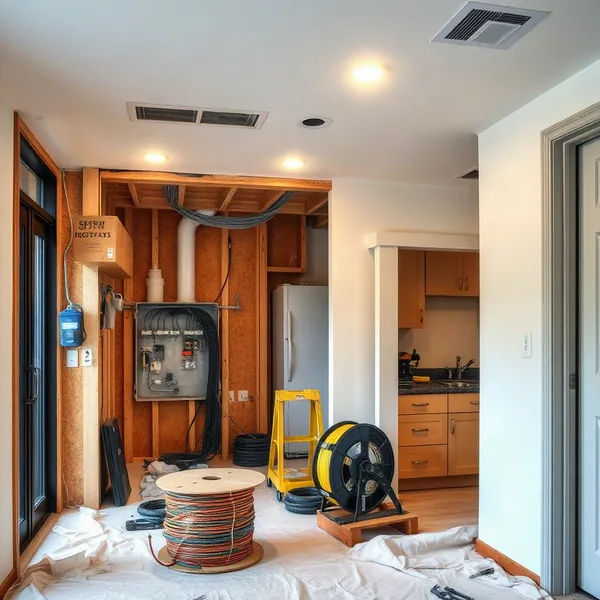
Vacant homes move faster — commonly 3 to 5 days — because the crew can work without scheduling around residents. An occupied home rewire requires section-by-section staging to keep the household functional, often adding 3 to 5 extra days to the timeline. Pre-1980 construction in Yakima frequently means plaster walls and dense insulation that slow wire pulling runs considerably. Budget additional time for permit issuance and inspections, which can add 1 to 3 business days depending on the current schedule at whichever jurisdiction governs your property. Drywall repair after the rewire is a separate trade typically arranged after the electrical inspection passes.
05
Can You Rewire a House Yourself?
permitlicensed electriciancode
A DIY whole-home rewire is not a realistic or legal option in Yakima.
Washington State requires a licensed electrician to perform and sign off on residential rewiring work, and a permit must be pulled before any wiring is touched — either through the City of Yakima Code Administration Division or the Yakima County Building Department, depending on your property's location. Inspectors verify that all work meets the state-adopted NEC and Washington amendments. Unpermitted work voids homeowner's insurance and creates mandatory correction orders when the home is sold. Washington State's 2021 IECC also requires EV-ready conduit in major renovations, adding scope that demands professional planning. Code compliance isn't optional — and the consequences of skipping it are expensive.
06
What Does the Rewiring Process Look Like?
wire pullingwalkthroughinspection
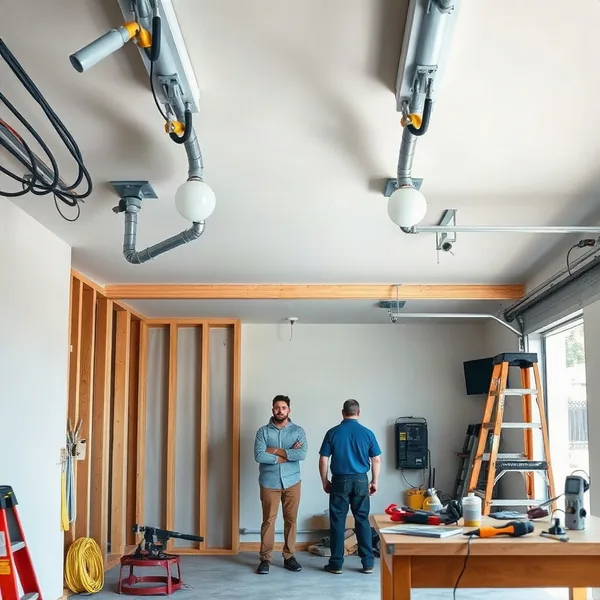
A rewiring job starts with a walkthrough where the electrician maps every circuit, identifies hazardous materials, and confirms the panel's condition and capacity.
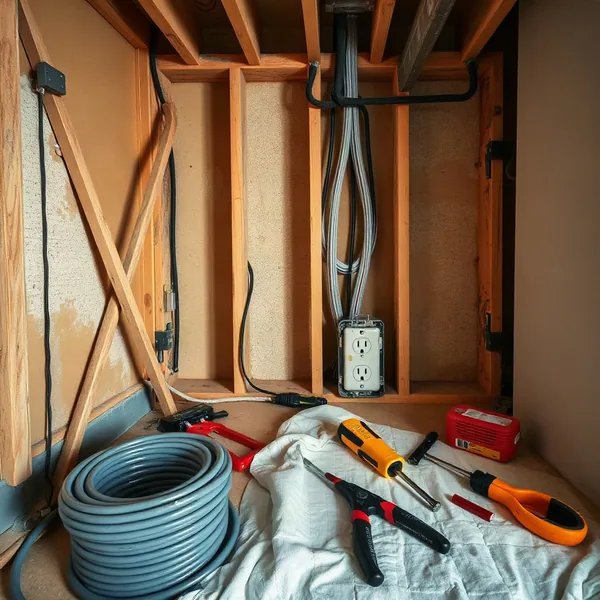
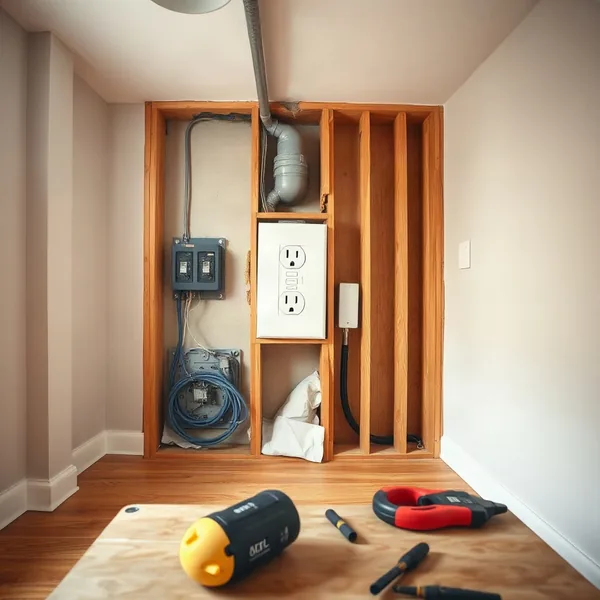
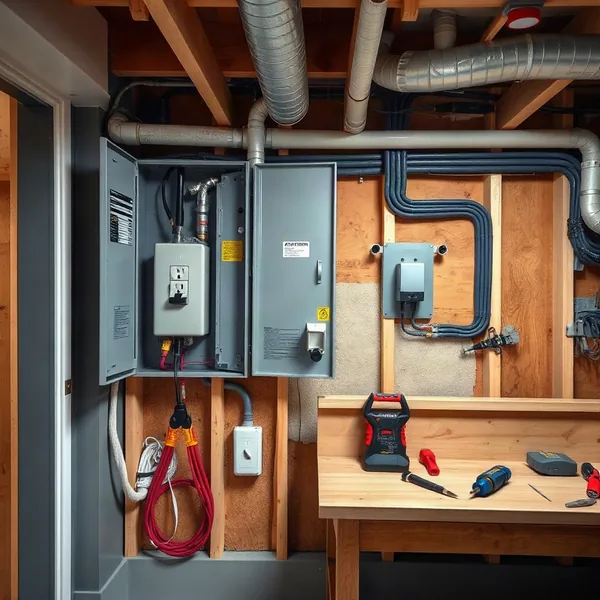
Permits are pulled before any work begins. The crew then removes old wiring run by run and pulls new copper conductors through walls, the attic, and crawlspaces. Outlets, switches, and fixtures are reconnected, and a panel upgrade is completed if the existing panel can't support the new load. A required inspection by the City of Yakima or Yakima County verifies that the installation meets current standards before walls are closed. Once the inspector signs off, drywall repair and finish work can begin — typically handled by a separate contractor the homeowner arranges.