info@yakimaelectricians.com (509) 992-1165 Yakima, United States
Yakima Electricians Logo (509) 992-1165
Yakima's Trusted Electricians
Free referral service · Licensed local pros

Garage Wiring Done Right in Yakima

Licensed electricians connecting Yakima homeowners to garage wiring contractors — subpanels, outlets, lighting, and code compliance handled start to finish.

Licensed & Insured
Local Pros Near You
Local Pros

Or call directly: (509) 992-1165

Call Now

Call (509) 992-1165

Secure & Confidential

Licensed & Insured

Why Professional Garage Wiring Matters

Yakima Electricians connects local homeowners with licensed electrical contractors who handle residential wiring projects throughout Yakima County. Proper garage wiring — from subpanel sizing to GFCI-protected outlets — is one of the most requested jobs we route to our network every season.

Whether you have an attached workshop garage or a detached structure at the back of your lot, we match you with a contractor who knows Yakima's permit requirements and can complete the work to current NEC standards.

Related Wiring & Circuits Services

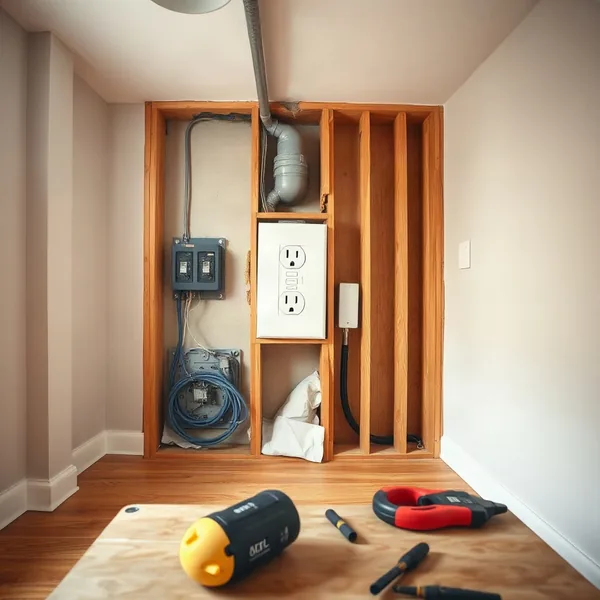
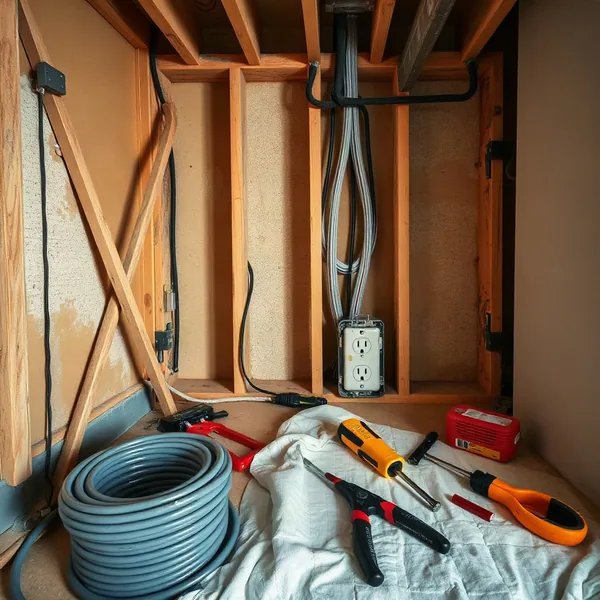
Professional Dedicated Circuit Installation in Yakima carried out by a licensed technician

Dedicated Circuit Installation

Stop tripping breakers — get a single-use circuit built for your high-draw appliance today.
Dedicated Circuit Installation
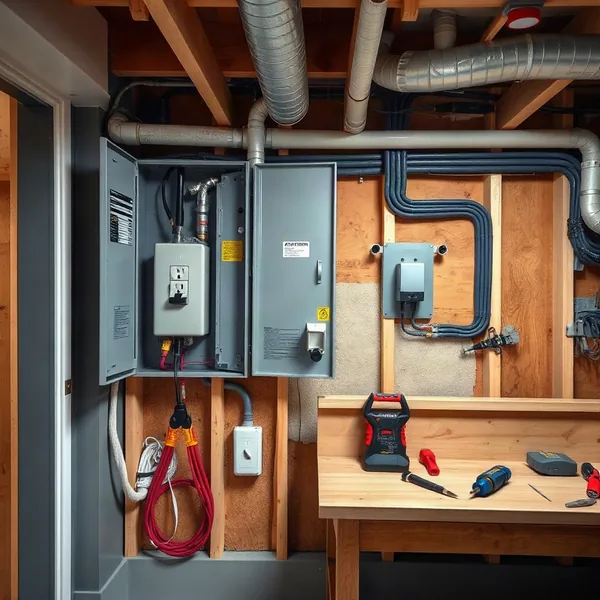
Professional Electrical Wiring Repair in Yakima carried out by a licensed technician

Electrical Wiring Repair

Flickering lights or burning smells traced and fixed before they become a fire hazard.
Electrical Wiring Repair
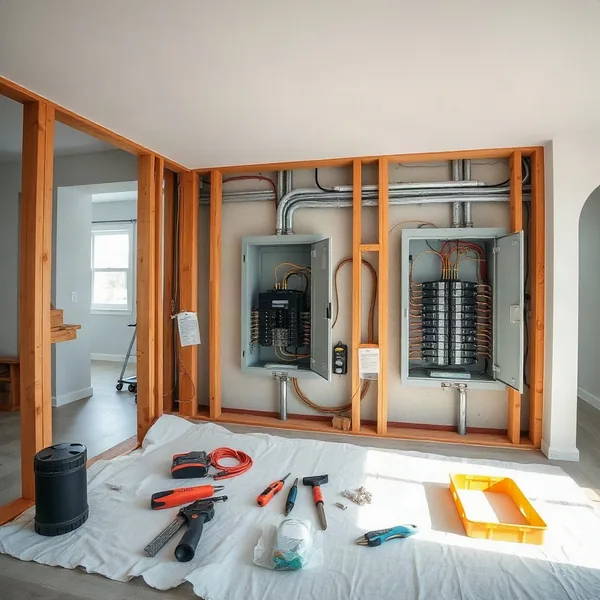
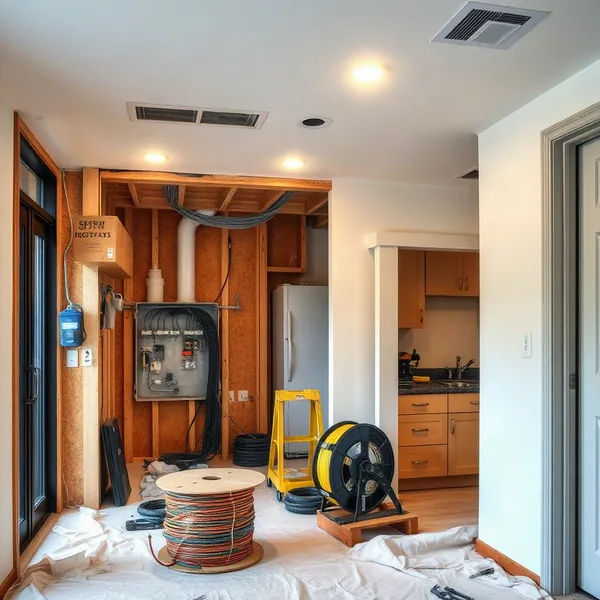
Professional House Rewiring in Yakima carried out by a licensed technician

House Rewiring

Outdated knob-and-tube wiring replaced throughout your entire home, bringing it up to modern code.
House Rewiring

More Related Wiring & Circuits Services

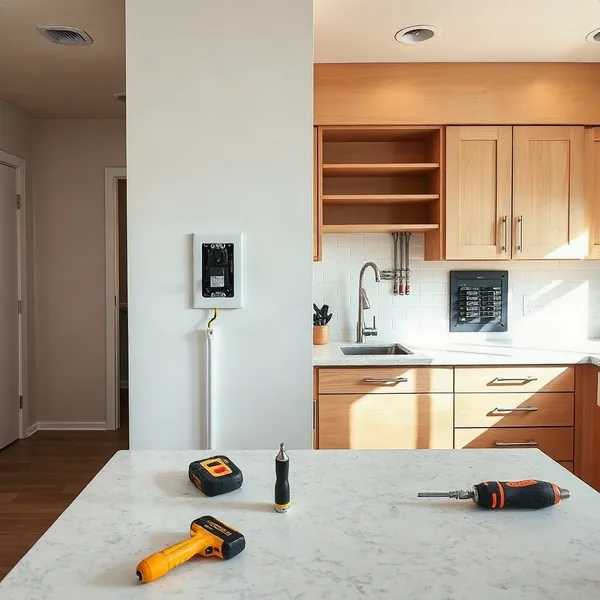
Power Your Range the Right Way

A flickering burner or tripped breaker every time you cook isn't a minor nuisance — it's a sign your kitchen lacks a proper dedicated 240V circuit with a 50-amp breaker. Yakima homes built before 1990 often have undersized wiring that can't handle modern electric ranges safely. Just like our Hot Tub Wiring installs, every connection is code-compliant and inspected.

  • ✓Local pros pull all required Yakima permits — no shortcuts
  • ✓Same-week scheduling keeps your kitchen running fast. Installations include a full load calculation before we touch a wire
  • ✓Pair this with House Rewiring if older panels need upgrading too
Electric Range Wiring
Power Your Range the Right Way - Licensed

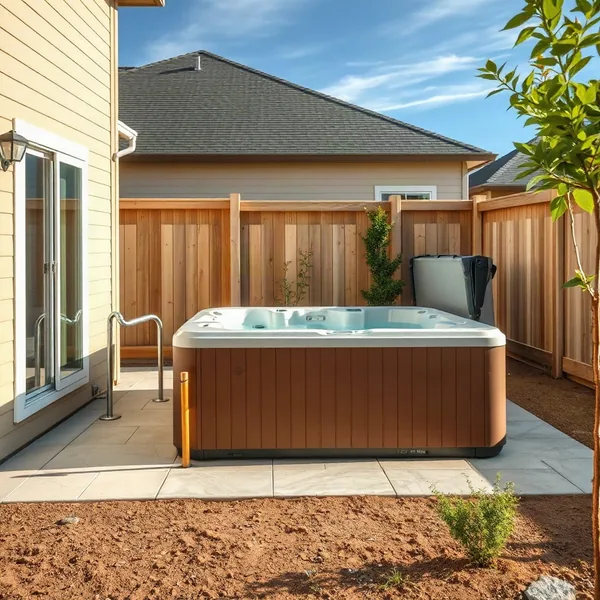
Safe Hot Tub Power Hookups

A faulty hot tub circuit isn't just inconvenient — it's a electrocution hazard hiding in plain sight. Most Yakima homeowners don't realize that NEC code requires a dedicated 240V/50-amp circuit with GFCI protection within 5 feet of the water, plus proper bonding of all metal components to prevent stray current. We also coordinate well with our Garage Wiring and House Rewiring crews when your project spans multiple areas.

  • ✓Every install passes Yakima inspection on the first visit. GFCI and bonding are verified before the job is closed out your property
  • ✓No subcontractors — one licensed electrician owns your job start to finish
  • ✓Permits pulled same week so your hot tub heats up fast
Hot Tub Wiring
Safe Hot Tub Power Hookups - Licensed

Explore Additional Services

Professional Knob And Tube Wiring Replacement in Yakima carried out by a licensed technician

Knob And Tube Wiring Replacement

Eliminate fire hazards hiding in your walls with a full knob-and-tube upgrade that satisfies modern insurance requirements.
Knob And Tube Wiring
Professional Appliance Circuit Installation in Yakima carried out by a licensed technician

Appliance Circuit Installation

Get your new dryer, EV charger, or range running safely on a dedicated circuit without tripping breakers ever again.
Appliance Circuit Installation
Professional Aluminum Wiring Replacement in Yakima carried out by a licensed technician

Aluminum Wiring Replacement

Stop flickering lights and overheating outlets caused by aging aluminum wiring before a costly fire starts.
Aluminum Wiring Replacement
01

What Does Garage Wiring Include?

subpanelcircuitslighting

Garage wiring covers every electrical element from the feeder leaving your main panel to the last outlet on the far wall — and the scope is larger than most homeowners expect.

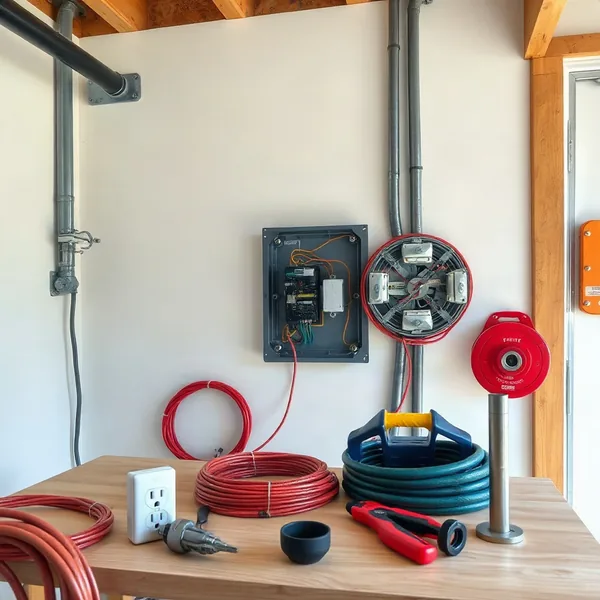
A typical project starts with sizing a subpanel, usually 60 or 100 amps, mounted inside the garage to distribute power across separate circuits for lighting, general-use outlets, and dedicated equipment loads. From there, an electrician runs branch circuits to outlet boxes spaced every 6 feet along the walls, installs ceiling lighting, and routes conduit for any 240V equipment feeds. In Yakima, where summer temperatures regularly push past 100°F, many homeowners add a dedicated circuit for a window AC unit or ceiling fan at this stage rather than retrofitting later.

02

Wiring a Garage Door Opener (LiftMaster and Others)

LiftMastersensor wiringopener circuit

Wiring a garage door opener correctly means supplying a dedicated 120V circuit to a ceiling-mounted outlet directly above the motor unit — not tapping an existing general-purpose circuit that may already carry a heavy load.

Most LiftMaster models draw between 4 and 6 amps continuously, but the startup surge can trip an undersized breaker on a shared line. The garage door opener circuit should be 15 or 20 amps depending on the unit's label. Beyond power, the installer runs low-voltage sensor wiring from the motor head down each door track to the safety photo-eye sensors — a step often called LiftMaster garage door sensor wiring — and connects the wall-mounted push button. Improper sensor wiring placement is the most common reason openers reverse or fail the safety test after installation.

03

Garage Lighting and Outlet Circuits

LED fixturesoutlet spacing

Wiring garage lights on their own dedicated circuit prevents a tripped breaker from killing both your work lighting and your tools at the same moment.

Most contractors run a 15-amp lighting circuit and a separate 20-amp circuit for outlets, which keeps each load isolated. LED fixtures are the standard choice in Yakima now — a 4-foot shop light pulls roughly 40 watts versus 128 watts for an equivalent fluorescent, which matters when you're running multiple fixtures through a hot Yakima summer. Outlet spacing should follow NEC wall-space rules: no point along any wall should be more than 6 feet from a receptacle. For woodworking or automotive garages, a second 20-amp outlet circuit or a dedicated 240V feed for compressors is worth planning during rough-in rather than adding later.

04

Conduit and Code Requirements for Garage Wiring

conduitNEC GFCI

Garage wiring conduit is required for any exposed wiring run in an attached or detached garage — cable stapled to open framing does not meet NEC requirements for these spaces.

Rigid metal conduit (RMC) or electrical metallic tubing (EMT) are the most common choices; PVC schedule 40 is permitted in some configurations but requires specific burial depth for underground runs between structures. Under NEC 210.8, every 125-volt, 15- and 20-amp receptacle in a garage must have GFCI protection — no exceptions for outlets behind workbenches or in corners. Washington State has adopted the 2021 NEC framework, so Yakima inspectors enforce current GFCI provisions on every garage job. Conduit fill calculations must also account for wire count so conductors don't overheat, particularly in Yakima's exteriors during 100°F summers.

05

Wiring a 240V Garage Heater or Subpanel

240V heatersubpanel breaker

A 240V garage heater wiring project starts at the subpanel breaker, not at the heater itself — undersizing the breaker or feeder wire is the most common mistake on DIY heater installs.

A typical 4,000-watt 240V heater draws about 17 amps, so a 30-amp, 2-pole breaker with 10 AWG wire is the minimum code-compliant configuration. Larger 6,000-watt units require a 30-amp circuit with some models or a 40-amp circuit with others — always match the wire and breaker to the heater's nameplate. In Yakima, where temperatures can fall below 10°F, a dedicated 240V heater circuit is increasingly common in garages used as workshops. If your existing panel is already near capacity — a real concern in homes built before 1980 — a separate subpanel in the garage is the cleaner long-term solution.

06

Can You DIY Garage Wiring?

permitDIY kitinspection

Wiring a garage door or running new circuits yourself is legally permitted in Washington State under the owner-occupant exemption, but any work beyond simple device replacements still requires a permit — from the City of Yakima Code Administration Division if you're inside city limits, or Yakima County Building Department if your property is unincorporated. The permit means an inspector will review your work, and DIY kit installations that skip conduit, miss GFCI protection, or use undersized wire for a subpanel feeder will fail that inspection. Many Yakima homes built before 1980 also have panels close to capacity, and opening the garage wiring project can reveal a panel upgrade requirement that's outside typical DIY scope. Failed inspections and rework often cost more than hiring a licensed electrician from the start.

Areas We Serve in Yakima

We connect homeowners in these ZIP codes with licensed local Yakima Electricianss.

Yakima (98901, 98902, 98903, 98904, 98907, 98908, 98909)

Call to be connected with a licensed local pro in these ZIP codes.

How Garage Wiring Works

Simple steps to get your garage wiring done in Yakima

1

Book Your Garage Wiring

We respond within minutes.

2

Free Garage Wiring Survey

3

Upfront Fixed Price

One fixed price for your garage wiring — no hidden charges, ever.

4

Garage Wiring

Why Choose Us for Garage Wiring?

Trusted yakima electricians professionals serving Yakima

100% Permitted

Permit Handled

Every contractor in our Yakima network pulls the correct permit before work starts — City of Yakima Code Administration Division for city properties, Yakima County Building Department for unincorporated addresses. Homeowners never have to determine jurisdiction or schedule inspections themselves.

Honest Cost Range

Local pros provide site-specific quotes so you're not surprised by feeder distance costs or panel upgrade requirements after work begins.

0 Failed Inspections

Code vs. DIY Risk

Licensed contractors our network refers guarantee NEC-compliant GFCI protection, proper conduit fill, and correct subpanel grounding — the three most common DIY inspection failures in Yakima.

Frequently Asked Questions

How much does it cost to wire a garage?

▼

Understanding how much does garage wiring cost depends on several key variables. In Yakima, where summers regularly exceed 100°F, many homeowners also add circuits for AC units or EV chargers, which increases scope and cost. If your home was built before 1980, an electrician may find that your existing panel lacks capacity to support a new garage subpanel without an upgrade. Washington State's 2021 IECC also requires EV-ready conduit rough-ins on new construction and major remodels, which can affect project scope. For accurate pricing on garage wiring near me, get a site-specific quote from a licensed Yakima electrician.

Do I need a permit for garage wiring in Yakima?

▼

Yes. In Yakima, any new electrical circuit, subpanel installation, or wiring upgrade in a garage requires a permit and inspection. If your property is within city limits, permits are issued through the City of Yakima Code Administration Division. If your property is in an unincorporated area of the county, permits fall under the Yakima County Building Department — the correct jurisdiction must be identified before work begins, as inspection schedules differ between the two. Work performed without a permit can result in failed home sales inspections, insurance claim denials, and required demolition of unpermitted work. A licensed electrician operating in Yakima will pull the appropriate permit and coordinate the required inspections on your behalf.

How do you wire a garage door opener?

▼

Wiring a garage door opener properly requires a dedicated 120V, 15-amp or 20-amp circuit run to an outlet located near the opener motor unit, typically mounted at the ceiling. The process involves: (1) running a new circuit from the main panel or garage subpanel to a ceiling-mounted outlet, using 14 AWG wire for a 15-amp circuit or 12 AWG for a 20-amp circuit; (2) connecting the opener motor unit to that outlet; (3) running low-voltage wiring from the motor unit to the wall-mounted push button and to the safety sensors at the base of each door track; (4) aligning and securing sensors so the infrared beam is properly established. The garage outlet supplying the opener must be GFCI-protected under NEC 210.8, which applies to all garage receptacles. The full installation typically takes 2–4 hours when a circuit already exists, or 4–8 hours if a new circuit must be run from the panel.

What size wire do I need for a garage subpanel?

▼

Wire size for electrical wiring for detached garage subpanels is determined by the subpanel's amperage rating and the feeder run length, following NEC ampacity tables. Common configurations: a 60-amp subpanel typically requires 6 AWG copper or 4 AWG aluminum feeder wire; a 100-amp subpanel requires 4 AWG copper or 2 AWG aluminum; a 125-amp subpanel requires 2 AWG copper or 1/0 AWG aluminum. Longer feeder runs — common with detached garages — require upsizing wire to compensate for voltage drop, generally keeping drop below 3% per NEC guidance. In Yakima, where the 90°F seasonal temperature swing stresses outdoor wiring and conduit, conductors installed in exterior conduit should be rated for wet and high-temperature environments (e.g., THWN-2). Always verify your sizing with a licensed electrician, as actual load calculations, conduit fill, and local inspection requirements affect the final specification.

Can I wire my garage myself?

▼

DIY garage wiring is legal in Washington State for owner-occupants under a homeowner exemption, but it carries significant compliance risk. Any new circuit or subpanel still requires a permit — either from the City of Yakima Code Administration Division or the Yakima County Building Department depending on your location — and the work must pass inspection by a code official. If the inspection fails, all non-compliant wiring must be corrected before approval. Common DIY failures include improper GFCI protection on garage receptacles, undersized feeder wire for subpanels, and missing conduit fill calculations. In Yakima, many homes built before 1980 also have older panels with limited capacity, meaning a DIY project can uncover a panel replacement requirement that is beyond typical homeowner scope. Unpermitted work can also void homeowner's insurance coverage and complicate real estate transactions. For most homeowners, hiring a licensed Yakima electrician is the lower-risk path.

Have more questions? Call us anytime!

Speak to a local electricians yakima(509) 992-1165Call Now