01
Why Outlets and Switches Fail Faster in Yakima Homes
Yakima's climate puts unusual stress on residential electrical systems.
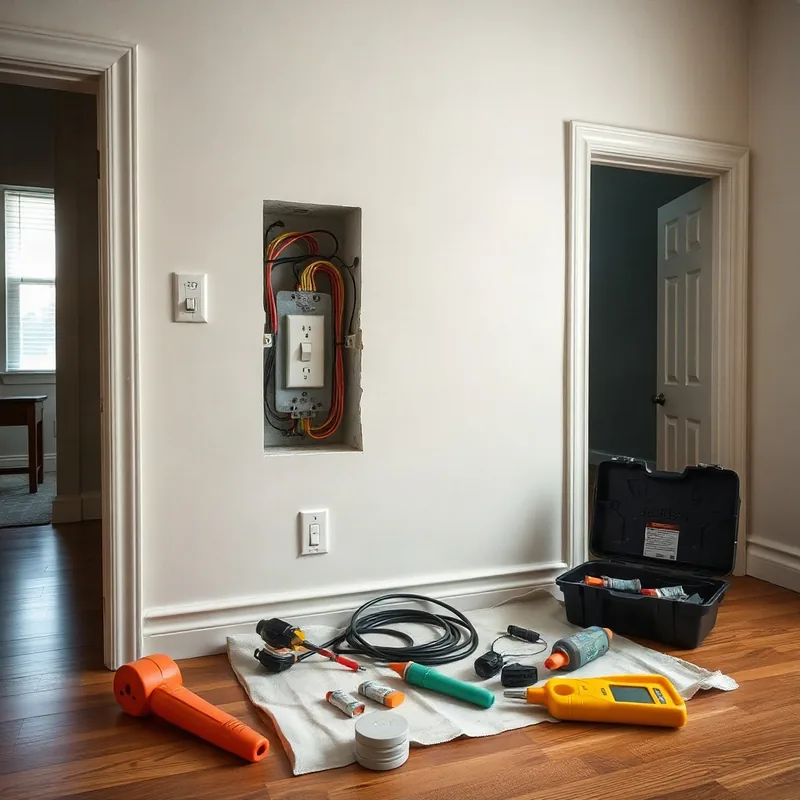
Summer temperatures regularly top 100°F while winter lows can fall below 10°F — a swing of more than 90°F that causes outlet terminals and switch contacts to expand and contract repeatedly. That thermal cycling loosens connections over time, leading to arcing and heat damage. The problem is worse in homes with aluminum branch-circuit wiring, which was common in Yakima construction before 1980. Aluminum moves more dramatically with temperature changes than copper does, accelerating wear at every connection point. A failing outlet in a pre-1980 Yakima home is not just an inconvenience — it can be a fire risk that needs immediate professional attention.
02
Aluminum Wiring and Older Yakima Housing Stock
A large share of Yakima's homes were built before 1980, when aluminum branch-circuit wiring was widely used as a lower-cost alternative to copper.
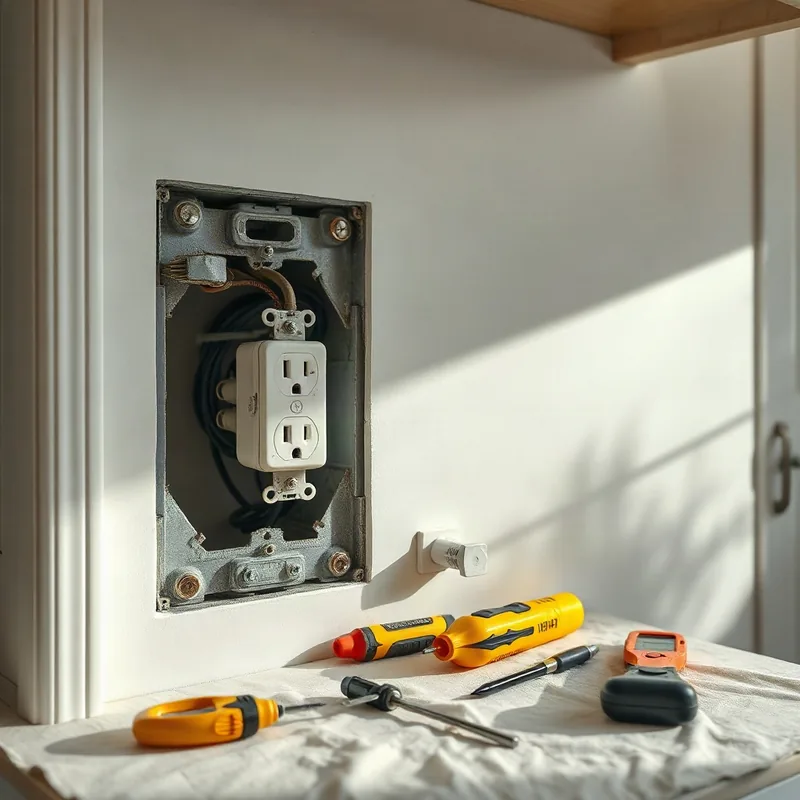
Aluminum wiring is still present and functional in thousands of local homes, but it requires CO/ALR-rated outlets and switches — not the standard devices sold at hardware stores. Installing the wrong device creates a high-resistance connection that overheats. Contractors we refer understand this distinction and inspect wiring type before recommending any replacement. If your home was built between 1965 and 1979 and you have not had an outlet inspection, this is worth scheduling — especially for rental properties that see concentrated use during Yakima's agricultural harvest seasons.
03
GFCI and AFCI Outlets: Where Yakima Homes Need Them
GFCI outlets are required by the National Electrical Code in kitchens, bathrooms, garages, and outdoor locations — areas where water and shock risk overlap.
AFCI protection is required on most bedroom and living-area circuits in new work. Many Yakima homes built before these requirements took effect have neither. An ungrounded two-prong outlet in a kitchen or bathroom is not just outdated; it fails current code when the circuit is touched during a remodel or repair. Installing a GFCI outlet is an NEC-approved way to add shock protection to an ungrounded circuit without rewiring the entire run — a practical and cost-effective upgrade in Yakima's older housing stock where full rewiring may not be feasible.
04
Permits for Outlet and Switch Work in Yakima
Permit requirements in Yakima depend on whether your property sits inside city limits or in unincorporated Yakima County.
The City of Yakima Code Administration Division handles permits for work within the city; the Yakima County Building Department covers everything outside it. A like-for-like outlet swap on an existing circuit often falls under the permit threshold in both jurisdictions, but adding a circuit, moving an outlet, or installing a NEMA 14-50 receptacle for an EV charger or range almost always requires a permit and inspection. Contractors we refer confirm your jurisdiction upfront, pull the correct permit, and schedule the right inspector — so your work is documented and your homeowner's insurance remains intact.
05
Outdoor Outlets and Weatherproofing in Yakima's Climate
Outdoor outlets in Yakima face conditions that wear down standard weatherproof covers within a few seasons.
Hard freezes crack gaskets and warp cover plates, while summer heat dries out the seals that keep moisture out of the box. In-use covers — the clamshell style that protects a plugged-in cord — are now required by code for outdoor receptacles and are a meaningful upgrade for any Yakima home that uses outdoor outlets during irrigation season or for holiday lighting. Contractors we refer install in-use covers and GFCI-protected outdoor circuits built to handle Yakima's full seasonal range, from 100°F afternoons to sub-10°F nights, without failing at the connection points.
06
EV-Ready Outlets and Washington State's 2021 IECC
Washington State adopted the 2021 International Energy Conservation Code with amendments that require EV-ready conduit rough-ins in new residential construction and major remodels.
For Yakima homeowners, this means any significant renovation now expands the electrical scope of the project. Installing a NEMA 14-50 outlet in an existing garage for a Level 2 EV charger is a separate job from new construction rough-in, but both require proper circuit sizing — typically a dedicated 50-amp, 240-volt circuit. Pacific Power, Yakima's primary electric utility, offers energy-efficiency rebate programs that may offset part of the cost of these upgrades. Contractors we refer can advise on rebate eligibility before finalizing the project scope.