01
What Does EV Charger Installation Involve?
Level 2 chargerNEMA 14-50junction box
EV charger installation means running a dedicated 240V circuit from your home's electrical panel to a mounted charging unit or outlet in your garage or parking area.
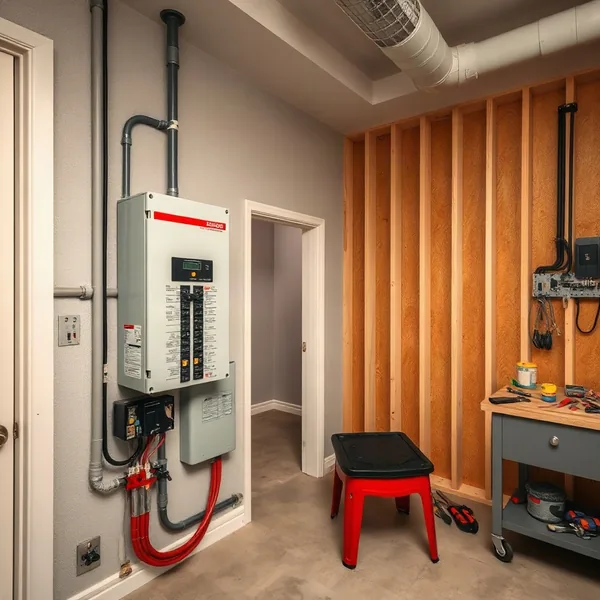
Most homeowners choose a Level 2 charger, which requires either a hardwired connection or a NEMA 14-50 receptacle — both installed inside a junction box that meets NEC wiring standards. The electrician evaluates wire gauge, circuit breaker size, and the distance from panel to charger before any work begins. A home charger installation also includes mounting the charging station at the correct height and verifying the circuit can handle continuous load without tripping. Electric vehicle charger installation is a permitted job in Yakima, not a plug-and-play upgrade, which is why a licensed contractor handles it start to finish.
02
How Much Does EV Charger Installation Cost in Yakima?
panel upgradepermit feeelectrician labor rate
EV charger installation cost in Yakima depends most heavily on your panel's current condition and the charger type you choose.
Pacific Power offers rebate programs that offset some of that panel and wiring expense, which can meaningfully reduce your out-of-pocket cost. Always confirm rebate eligibility before finalizing project scope.
03
Tesla Wall Connector vs Universal Level 2 Chargers
Tesla Wall Connectoruniversal J1772ChargePoint
Tesla Wall Connector installation is the most common request we see from Tesla owners in Yakima, and it's a purpose-built unit that delivers up to 44 miles of range per hour on a 60-amp circuit — faster than most universal alternatives.
Tesla charging at home with the Wall Connector requires a licensed Tesla wall charger installer who can handle the 240V wiring and the Wi-Fi configuration the unit uses for energy management. Universal Level 2 chargers use the J1772 connector standard and work with every non-Tesla EV on the market; brands like ChargePoint offer solid options at competitive prices. Tesla Wall Connector installation cost is comparable to a universal unit of similar amperage — the hardware itself, not the wiring, is usually the price difference. Both options are permitted jobs in Yakima.
04
Do I Need a Permit or Panel Upgrade in Yakima?
Yakima building permit200-amp panelload calculation
Yes — installing a Level 2 EV charger at home in Yakima always requires a Yakima building permit, regardless of whether the charger is hardwired or outlet-based.
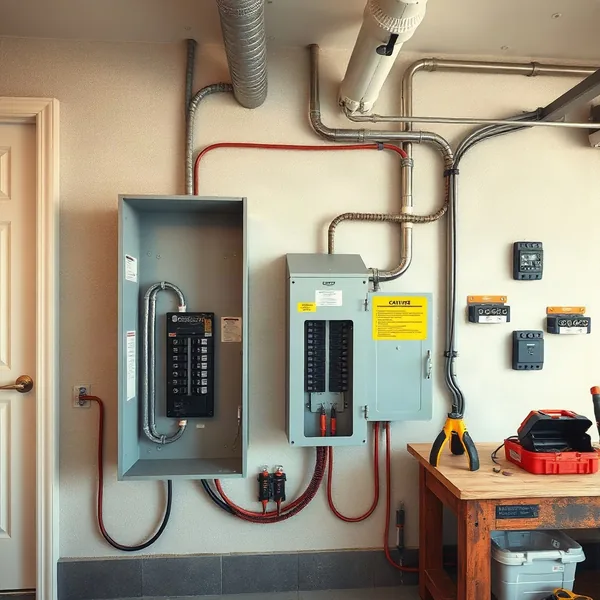
If your property sits inside city limits, the permit comes from the City of Yakima Code Administration Division; unincorporated county addresses go through the Yakima County Building Department, and the inspection schedules differ between the two. Before the permit is issued, your electrician performs a load calculation to confirm the panel can support the new 240V circuit. Many Yakima homes built before 1980 carry a 100-amp or smaller panel — or a legacy Federal Pacific or Zinsco unit — that requires a 200-amp panel upgrade before an EV circuit can be safely added. Washington State's 2021 IECC also requires EV-ready conduit in new construction and major remodels, expanding the baseline scope for newer builds.
05
Which EV Charger Is Fastest for My Home?
kW outputamperage ratingcharging speed
A Level 2 charger installation on a 48-amp circuit delivers roughly 37 miles of range per hour — the practical ceiling for most residential electrical systems.
Charging speed is set by the charger's kW output, which is directly tied to the amperage rating of the dedicated circuit. A 32-amp circuit outputs about 7.7 kW; a 48-amp circuit reaches 11.5 kW; and a 50-amp circuit can hit 12 kW with the right hardware. Level 3 charging station cost — the kind found at commercial fast-charging sites — runs tens of thousands of dollars and requires three-phase power unavailable in residential settings, so it's not a realistic home option. In Yakima, your panel's available capacity determines the maximum amperage your electrician can assign, making the site assessment the critical first step in sizing for speed.
06
Can I Install My Own EV Charger?
NEC codelicensed electricianinspection
A hardwired Level 2 EV charger is not a DIY project in Yakima — it requires a licensed electrician and a pulled permit under NEC code, followed by a physical inspection before the circuit is energized.
Without that inspection sign-off, your homeowner's insurance may deny claims tied to the circuit, and the charger manufacturer may void the equipment warranty. Yakima's older housing stock adds real risk for self-installers: aluminum branch wiring or an unrecognized Federal Pacific panel can make adding a 240V circuit genuinely dangerous without professional assessment. A licensed electrician identifies those hazards before work starts, not after. The permit and inspection process exists specifically to catch unsafe installations — skipping it creates liability that surfaces most painfully at the time of a home sale.
07
Finding an EV Charger Installer Near You in Yakima
Yakima Valleylocal electricianservice area
Yakima Electricians refers local electricians across the Yakima Valley, including West Valley, Selah, Union Gap, Terrace Heights, and Moxee.
Every EV charger electrician in our network holds a current Washington State electrical contractor license and understands whether your address falls under city or county permit jurisdiction — a detail that matters for inspection scheduling. When you request a quote, the local electrician will ask about your panel age and condition upfront, since Yakima's pre-1980 housing stock makes older panel assessment a routine part of electric charger home installation here. If Pacific Power rebates apply to your project, the contractor can advise on how to document the upgrade for rebate submission. Finding a reliable home EV charger installation near me starts with a licensed local contractor who knows this market.
08
Get a Quote for Your EV Charger Installation
ChargePoint Home FlexQmerit networkquote request
Requesting a quote through Yakima Electricians connects you with local contractors familiar with ChargePoint Home Flex hardwired units, the Qmerit network of certified EV charger installers, and the full range of chargepoint charging station options available to Yakima homeowners. ChargePoint Home Flex is a popular choice because it's adjustable from 16 to 50 amps, letting the electrician set it to exactly what your panel supports. Qmerit-affiliated contractors are pre-screened for EV installation experience and insurance, which streamlines the vetting step for homeowners. Provide your panel age, the approximate distance from panel to parking area, and your vehicle model when you request a quote — those three details let the contractor give you an accurate range rather than a rough guess on ev charging station installers' costs.