info@yakimaelectricians.com (509) 992-1165 Yakima, United States
Yakima Electricians Logo (509) 992-1165
Yakima's Trusted Electricians
Free referral service · Licensed local pros

Carbon Monoxide Detector Installation in Yakima

Hardwired CO Alarm Installation for Yakima Homes — Done Right the First Time

Licensed & Insured
Local Pros Near You
Local Pros

Or call directly: (509) 992-1165

Free referral service · Licensed local pros

Licensed & Insured
Local Pros
(509) 992-1165
Licensed & Insured

Why Professional Carbon Monoxide Detector Installation Matters

Yakima Electricians connects local homeowners with electrical contractors who handle residential safety upgrades throughout Yakima County.

Whether your home needs a single unit or a whole-house plan, professional carbon monoxide detector installation protects your family and keeps your property compliant with Washington State law.

Related EV Charging & Safety Devices Services

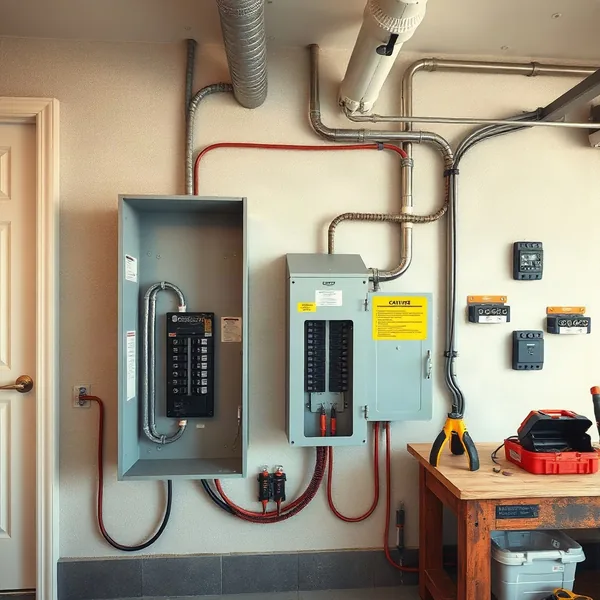
Professional Smoke Detector Installation in Yakima carried out by a licensed technician

Smoke Detector Installation

Get code-compliant detectors placed in every required room before your next home inspection.
Smoke Detector Installation
Professional Surge Protector Installation in Yakima carried out by a licensed technician

Surge Protector Installation

One power spike can fry your appliances — whole-home surge protection stops that loss instantly.
Surge Protector Installation
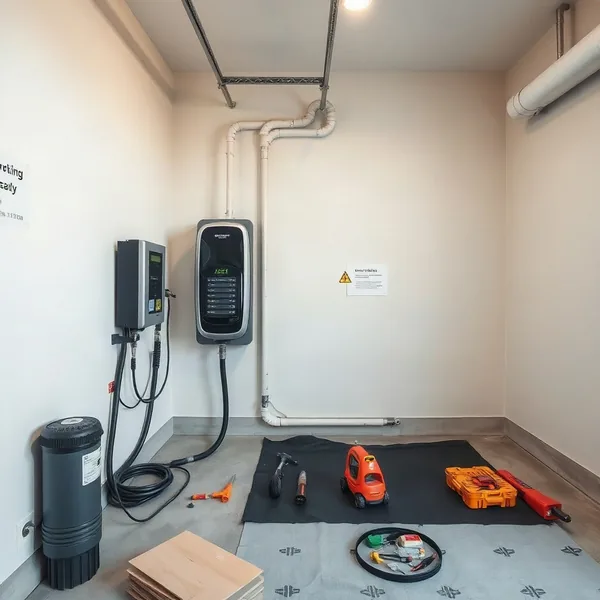
Professional Ev Charger Installation in Yakima carried out by a licensed technician

Ev Charger Installation

Charge your Tesla or Rivian overnight with a Level 2 charger wired directly to your garage.
Ev Charger Installation

More Related EV Charging & Safety Devices Services

Guard Every Circuit, Every Time

A single lightning strike or utility spike can fry your HVAC, refrigerator, and smart devices in milliseconds — and Yakima averages over 30 severe storm days annually. Local pros install whole-house surge protection devices like the Square D CHSPT2ULTRA and Eaton CHSPT series directly at your main panel, blocking surges before they reach any outlet. Pair it with our Ev Charger Installation or Smoke Detector Installation for complete home protection in one visit.

  • ✓Protects every circuit simultaneously — no individual outlet strips needed
  • ✓Qualifies for homeowner insurance discounts in many policies
  • ✓Compatible with any panel type, including older 200-amp services
  • ✓Ask about bundling with Carbon Monoxide Detector Installation for added savings
Whole House Surge Protection
Guard Every Circuit, Every Time - Licensed
01

What Does Carbon Monoxide Detector Installation Include?

hardwired CO alarmbattery backupUL 2034

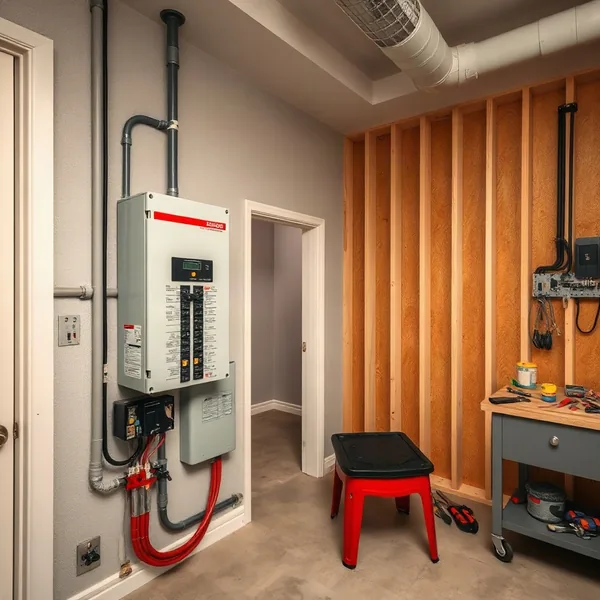
Carbon monoxide detector installation covers everything from placement planning to a final alarm test — it is not simply screwing a unit to the wall.

A licensed electrician evaluates your home's layout, identifies all fuel-burning appliances, and selects UL 2034-listed detectors that meet Washington's performance standard. For most Yakima homes, the electrician installs a hardwired CO alarm that draws power directly from a branch circuit and includes battery backup so the unit stays active during an outage. Older pre-1980 Yakima homes with aluminum branch-circuit wiring get a wiring check before any new circuit connection. The job typically takes two to four hours for a two-story home with two or three detector locations.

02

Where Should a Carbon Monoxide Detector Be Placed in My Home?

sleeping areafurnace roomattached garage

CO detector placement follows a simple rule: within 10 feet of every sleeping area, on each level of the home.

Washington State guidance and most manufacturers also call for a detector near the furnace room, since that is where combustion appliances produce the highest localized CO concentrations during startup. Homes with an attached garage — common across Yakima's suburban neighborhoods — need a unit on the wall or ceiling nearest the interior door, because vehicle exhaust is one of the most frequent CO sources. Co2 detector placement near gas water heaters or fireplaces should keep at least 15 feet of clearance to avoid nuisance trips during normal appliance startup. Mount units at outlet height or 5 feet up the wall, as specified on the device label.

03

Is a Carbon Monoxide Detector Required by Washington Law?

RCW 19.27.530fuel-burning appliancestate fire code

Washington State's RCW 19.27.530 requires a functioning CO alarm in every dwelling that contains a fuel-burning appliance, a fireplace, or an attached garage.

That requirement covers the vast majority of Yakima homes, where natural gas furnaces and wood-burning fireplaces are common — and where winter temperatures regularly fall below 10°F, meaning heating systems run hard for months. The state fire code applies to new construction, homes offered for sale, and rental properties alike. Landlords housing Yakima's seasonal agricultural workforce must have compliant detectors in place before each occupancy. Permits for any hardwired installation are issued through the City of Yakima Code Administration Division for city addresses or through Yakima County Building Department for unincorporated properties — confirm your jurisdiction first.

04

How Do I Know My Detector Is Working?

test buttonalarm sensitivityheating season check

Press and hold the test button on your CO detector for five to ten seconds — a functioning unit will sound its full alarm pattern and stop within seconds of release.

Yakima residents should run this carbon monoxide detector test every month, and especially in September before the heating season begins, because furnaces and gas fireplaces that sat idle all summer can produce elevated CO on their first few cycles. Alarm sensitivity degrades over time; most sensors are rated for five to seven years, after which a chirp pattern or end-of-life indicator signals replacement. A hardwired unit that fails the test even with fresh backup batteries needs to be replaced, not reset. Never use an open flame to test — the test button is the only manufacturer-approved method.

05

Understanding CO Alarm Sounds and Warnings

chirp patternlow-battery signalalarm decibel level

A carbon monoxide detector alarm uses distinct sound patterns to tell you what is happening: four short beeps repeated continuously means CO has been detected and you must evacuate immediately.

A single chirp every 30 to 60 seconds is a low-battery signal — replace batteries and retest. Some units add a third chirp pattern for end-of-life notification. Most residential models produce an alarm decibel level of 85 dB at 10 feet, loud enough to wake sleeping occupants, which is why proximity to bedrooms matters. A combo smoke/CO unit uses different tones or voice prompts to separate a smoke event from a CO event, preventing confusion during an emergency. If your detector sounds in normal conditions without a known CO source, check for placement too close to a fuel-burning appliance.
Areas We Serve in Yakima

We connect homeowners in these ZIP codes with licensed local Yakima Electricianss.

Yakima (98901, 98902, 98903, 98904, 98907, 98908, 98909)

Call to be connected with a licensed local pro in these ZIP codes.

Why Choose Us for Carbon Monoxide Detector Installation?

Trusted yakima electricians professionals serving Yakima

100% Code-Ready

WA Law Compliance

Every installation we coordinate is mapped to RCW 19.27.530, Washington's CO alarm law. We confirm which fuel-burning appliances are present and place detectors at every required location, so your Yakima home passes inspection and meets state fire code without a return visit.

Zero Misplacements

Placement Accuracy

False alarms usually trace back to detectors mounted within 15 feet of a furnace or water heater. We map every fuel-burning appliance location in your home before placing a single unit, cutting nuisance trips to near zero and keeping alarm sensitivity calibrated to real danger.

5–7 Yr Sensor Life

Seasonal Test Plan

Local pros provide a written monthly test schedule timed to Yakima's heating season, flagging September as the critical check before furnaces restart. Most CO sensors last five to seven years; we note the replacement date on each unit so you never run expired equipment through another cold winter.

How Carbon Monoxide Detector Installation Works

Simple steps to get your carbon monoxide detector installation done in Yakima

1

Book Your Carbon Monoxide Detector Installation

We respond within minutes.

2

Free Carbon Monoxide Detector Installation Survey

3

Upfront Fixed Price

One fixed price for your carbon monoxide detector installation — no hidden charges, ever.

4

Carbon Monoxide Detector Installation

Frequently Asked Questions

Where should a carbon monoxide detector be installed?

▼

The best place to install a CO detector is within 10 feet of each sleeping area, so occupants are alerted while they can still respond safely. Install at least one on every level of the home. Keep detectors at least 15 feet away from fuel-burning appliances such as furnaces, water heaters, and gas stoves, as these appliances produce trace CO during normal startup that could cause nuisance alarms at closer range. Mount units at the height specified by the manufacturer — most perform correctly at outlet height or on a wall 5 feet above the floor. In Yakima homes with attached garages, place an additional detector on the wall or ceiling near the interior garage door, since vehicle exhaust is a common CO source. If you are searching for a carbon monoxide alarm near me and are unsure of exact placement, a licensed Yakima electrician can assess your floor plan and fuel-burning appliance locations before installation.

How much does carbon monoxide detector installation cost in Yakima?

▼

The cost to install a carbon monoxide detector in Yakima depends primarily on whether you choose a plug-in or hardwired unit and how many floors or zones you need covered. Homes built before 1980, which make up a significant share of Yakima's housing stock, may require additional work if wiring is aluminum branch-circuit or panels are outdated Federal Pacific or Zinsco models, which can add to overall project cost. Permits for residential electrical work are issued through the City of Yakima Code Administration Division for city properties or Yakima County Building Department for unincorporated areas; confirm jurisdiction before work begins.

Is a carbon monoxide detector required in Washington homes?

▼

Yes. Washington State law requires carbon monoxide alarms in all dwellings that contain a fuel-burning appliance, a fireplace, or an attached garage. This includes homes heated by natural gas, propane, oil, or wood-burning systems — all common in Yakima given the cold winters where temperatures can drop below 10°F and heating systems run heavily for months. The requirement applies to new construction, homes sold after July 26, 2009, and rental properties. Landlords renting to Yakima's large seasonal agricultural workforce must ensure CO alarms are functional before each occupancy period. Alarms must be installed outside each sleeping area and on each level of the dwelling. Non-compliance can affect home sale transactions and rental licensing. If your home lacks compliant detectors, a licensed electrician can install hardwired units and confirm the installation meets Washington State requirements.

How do I test a carbon monoxide detector?

▼

Press and hold the test button on your CO detector for 5–10 seconds until you hear the alarm pattern — typically four beeps repeated. Release the button; the alarm should stop within seconds. If the unit does not alarm or the sound is weak, replace the batteries immediately. If the unit is hardwired and still fails after a battery check, the detector likely needs replacement. Manufacturers recommend testing monthly. In Yakima, it is especially important to test detectors at the start of the heating season — typically September or October — before furnaces, gas fireplaces, and wood stoves run continuously through the cold winter months. CO incidents spike when heating systems start up after months of inactivity. Most CO detectors have a sensor lifespan of 5–7 years; the unit will chirp or display an end-of-life alert when replacement is due. Do not use an open flame or combustion gas to test — the test button is the only safe and manufacturer-approved method.

Can a carbon monoxide detector be combined with a smoke alarm?

▼

Yes. Dual-sensor combination units that detect both smoke and carbon monoxide are widely available and can be installed as a single hardwired unit, replacing separate devices. These combo alarms use distinct alarm tones or voice alerts to distinguish between a smoke event and a CO event. When you install a carbon monoxide detector as a combination hardwired unit, the devices can be interconnected so that if one alarm triggers, all units in the home sound simultaneously — an important safety feature in larger or multi-story homes. In Yakima's pre-1980 homes, where wiring may need evaluation before adding hardwired devices, a licensed electrician should confirm the existing circuit can support interconnected alarms before installation begins.

Have more questions? Call us anytime!

Speak to a local electricians yakima(509) 992-1165Call Now