What Do Electricians Do? A Homeowner's Guide
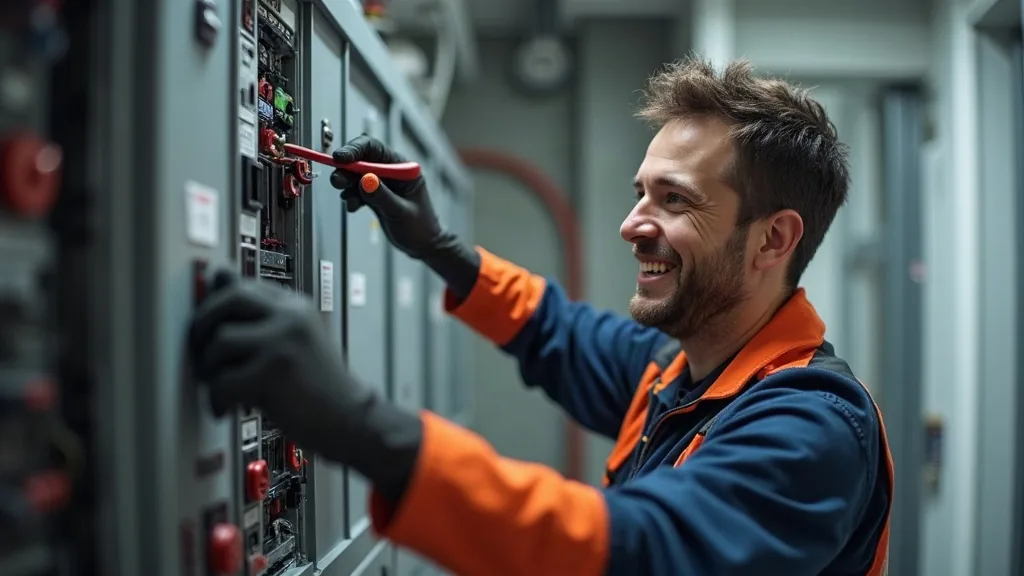
A licensed electrician working on Yakima homes handles far more than swapping out outlets. The full scope of residential electrical work spans installation, troubleshooting, upgrading, and code compliance—each category carrying real stakes for safety and property value.
What Electricians Do: The Full Scope of Residential Electrical Work
The core tasks every residential electrician performs
A licensed electrician working on Yakima homes handles far more than swapping out outlets. The full scope of residential electrical work spans installation, troubleshooting, upgrading, and code compliance—each category carrying real stakes for safety and property value.
Common residential tasks include:
- Panel replacement and upgrades — swapping out a failed Federal Pacific or Zinsco panel (both known for breakers that fail to trip under overload) for a modern 200-amp service
- Branch-circuit wiring — running new circuits or correcting aluminum branch-circuit wiring, which requires anti-oxidant compound at every termination to prevent hot connections
- Safety device installation — adding GFCI outlets in kitchens, bathrooms, and garages, plus AFCI breakers on bedroom circuits as required by Washington's adopted code
- EV charger installation — including the EV-ready conduit stub-out now mandated by the 2021 International Energy Conservation Code on any major Yakima remodel permitted through the City of Yakima Code Administration Division or Yakima County Building Department
- Rebate-eligible upgrades — projects that qualify under Pacific Power efficiency programs, such as heat-pump-ready panel capacity work
On the job, one detail stands out: Yakima's seasonal temperature swings—routinely hitting 105°F in summer and dropping near 0°F in winter—accelerate thermal cycling in outdoor conduit connections and panel bus bars. A loose lug that causes no trouble in May can arc by August. Inspecting torque specs on panel connections isn't optional here; it's a practical seasonal necessity.
Who fixes electrical problems—and who legally cannot
In Washington State, any electrical work beyond replacing a like-for-like device requires a permit and a licensed electrician. Homeowners may perform limited work on their own single-family residence, but the moment a circuit is extended or a panel is touched, that exemption disappears. A 200-amp panel upgrade typically takes a licensed crew four to six hours—attempting it without licensure risks failed inspections, voided insurance, and genuine fire hazard.
The bottom line: if the work touches a circuit breaker, adds wiring, or involves your residential electrical system at the panel level, call a licensed electrician. Every time.
Common Electrical Jobs Yakima Homeowners Actually Request
Yakima homeowners don't call a licensed electrician because they read a job description. They call because something specific happened—a breaker tripped twice in one week, they bought an EV, or their home inspector flagged a problem. Here's what those calls actually look like on the ground.
Panel Replacements: Why Federal Pacific and Zinsco Panels Are a Local Priority
Yakima's older housing stock—particularly homes built between 1950 and 1980—carries a disproportionate share of Federal Pacific (Stab-Lok) and Zinsco electrical panels. Both designs have documented breaker failure modes: the breakers may not trip under overload, leaving circuits exposed to sustained fault current.
What this means in practice: When local pros pull a Federal Pacific panel off the wall, the bus bar contacts are often corroded and the breaker clips visibly loose—even in homes where the panel "tested fine" during inspection.
Wiring Upgrades in Pre-1980 Homes With Aluminum Branch Circuits
Aluminum branch-circuit wiring was common in Yakima homes built during the late 1960s and 1970s when copper prices spiked. The problem isn't the wire itself—it's what happens at every device connection over decades: oxidation increases resistance, connections loosen, and heat builds.
The two accepted repair methods are:
- Full rewire with copper — the permanent fix
- CO/ALR-rated device replacement + antioxidant compound at every termination — a code-compliant remediation that costs considerably less
Installing AFCI breakers on aluminum-wired circuits adds meaningful arc-fault protection without requiring a full rewire—a practical middle ground the Yakima County Building Department accepts when the remediation work is done to standard.
EV Charger Installation and Washington State's EV-Ready Conduit Requirement
Washington's 2021 International Energy Conservation Code (2021 IECC) now requires that any major remodel triggering a permit include EV-ready conduit rough-in to the garage. This isn't optional. A Level 2 EV charger installation on an existing 200-amp panel is straightforward—a dedicated 50-amp, 240-volt circuit handles most home chargers.
Seasonal Electrical Stress: How Yakima's Extreme Temperature Swings Affect Your System
Yakima routinely swings from single-digit winter lows to 105°F summer highs. That thermal cycling stresses every mechanical connection in a residential electrical system—panel lugs, outdoor junction boxes, and underground service entrances included.
Expert judgement: If your circuit breaker runs warm to the touch during a heat wave, don't reset and ignore it. A warm breaker under normal load is a failing breaker.
When to Call an Electrician: Routine Service vs. Electrical Emergencies
Knowing the difference between a nuisance and a genuine hazard saves Yakima homeowners money—and sometimes saves the house. The trigger is usually something local: a panel that can't keep up with a new heat pump, aluminum branch-circuit wiring that oxidized over forty summers, or a circuit breaker that trips every time the window AC kicks on during a 105°F July afternoon.
Signs your home needs a licensed electrician now
Don't wait for a complete failure. Call a licensed electrician if you notice any of the following:
- Breakers that trip repeatedly on the same circuit—especially under seasonal load spikes common in Yakima's climate
- Flickering or dimming lights when large appliances start, which often points to undersized wiring or a failing main electrical panel
- Outlets that are warm to the touch, discolored, or sparking
- A Federal Pacific panel or Zinsco panel anywhere in your home—both are documented fire risks still found in pre-1980 Yakima housing stock and should be replaced, not repaired
- Aluminum branch-circuit wiring connecting standard 15- or 20-amp receptacles; aluminum expands and contracts with temperature changes and can loosen at connections over time, creating arc conditions
- No GFCI outlets in kitchens, bathrooms, garages, or outdoor locations
On the upgrade side, if you're planning an EV charger installation, note that Washington State's 2021 International Energy Conservation Code now requires EV-ready conduit roughed in during any major remodel—confirm permit requirements with the City of Yakima Code Administration Division before work starts, not after.
What an electrical emergency looks like—and what to do first
A burning smell, visible arcing, or a panel that's hot to the touch is an emergency—full stop. Turn off the main breaker if you can do so safely, get everyone out, and call 911 before you call an electrician. Do not reset a tripped breaker repeatedly hoping it holds; a breaker that fails three times in an hour is telling you something a reset won't fix.
Permits and inspections: City of Yakima vs. Yakima County jurisdiction
This is where homeowners routinely make costly mistakes. Work inside Yakima city limits is permitted through the City of Yakima Code Administration Division; work in unincorporated areas falls under the Yakima County Building Department—separate offices, separate inspection schedules. Panel replacements, AFCI breaker upgrades, and EV charger installations all require permits in both jurisdictions.
How Electricians Are Trained and Why Credentials Matter
Apprenticeship, licensing, and what qualifies someone to work on your home
A licensed electrician earns that credential the hard way. The standard path runs four to five years of registered apprenticeship — roughly 2,000 paid field hours per year alongside classroom instruction in load calculations, code theory, and system diagnostics. That's 8,000–10,000 hours of hands-on work before anyone sits for a journeyman exam.
Washington State then requires a separate licensing exam and a continuing education commitment to keep that license active. For residential electrical systems specifically, look for a Washington State electrical contractor license plus a journeyman or master electrician certificate — two distinct credentials, both verifiable.
One thing apprentices learn early that textbooks understate: aluminum branch-circuit wiring behaves differently under Yakima's 30-to-100°F seasonal swings. Connections loosen as the metal expands and contracts. Spotting that in the field — before it becomes a fire — is a judgment call that only comes from time inside actual walls.
How to verify a contractor before hiring in the Yakima area
Never skip this step:
- Washington State Department of Labor & Industries (L&I): Confirm active electrical contractor license and any complaints on record.
- City of Yakima Code Administration Division or Yakima County Building Department: Confirm the contractor pulls permits. If they don't offer to pull a permit for panel work or an EV charger installation, walk away.
- Insurance: Ask for a current certificate of liability before anyone touches your electrical panel.
A common mistake: hiring based on price alone when dealing with Federal Pacific or Zinsco panels. Those require a licensed electrician who knows exactly what they're looking at — not a handyman special.
Connect with a licensed Yakima electrician for your next project
Call our team directly to discuss your home's specific wiring conditions, Pacific Power rebate eligibility, or 2021 IECC EV-ready conduit requirements. We're local, licensed, and ready to put eyes on the problem.
Yakima Electricians connects you with licensed local electrical contractors. One call, no form.
Call (509) 992-1165Frequently Asked Questions
What do electricians do on a daily basis?
Electricians install, maintain, and repair electrical systems in homes, businesses, and industrial facilities. Daily tasks include wiring new construction, troubleshooting faulty circuits, upgrading electrical panels, and ensuring all work meets local Yakima codes and National Electrical Code safety standards.
What types of electrical work do Yakima electricians handle?
Yakima electricians handle residential wiring, commercial lighting, panel upgrades, EV charger installation, generator hookups, and code violation repairs. They also assist with new construction projects, home additions, and energy-efficient electrical system upgrades throughout the Yakima Valley area.
Do electricians do inspections and troubleshooting?
Yes, electricians perform electrical inspections and diagnose problems like tripping breakers, flickering lights, and faulty outlets. In Yakima, licensed electricians identify safety hazards, locate wiring faults, and provide solutions to prevent fire risks or costly damage to your electrical system.
Can electricians help with smart home and EV charging installations?
Electricians install smart home devices, including smart switches, thermostats, and automated lighting systems. They also install Level 2 EV charging stations for Yakima homeowners, ensuring proper wiring, dedicated circuits, and safe connections that meet Washington State electrical requirements.
When should I call a Yakima electrician instead of doing it myself?
Call a licensed Yakima electrician for panel upgrades, new circuit installation, aluminum wiring repairs, or any work requiring permits. DIY electrical work can void home insurance and violate Washington State law. Licensed electricians ensure safe, code-compliant results every time.