
Wiring a Garage: What Yakima Homeowners Need to Know
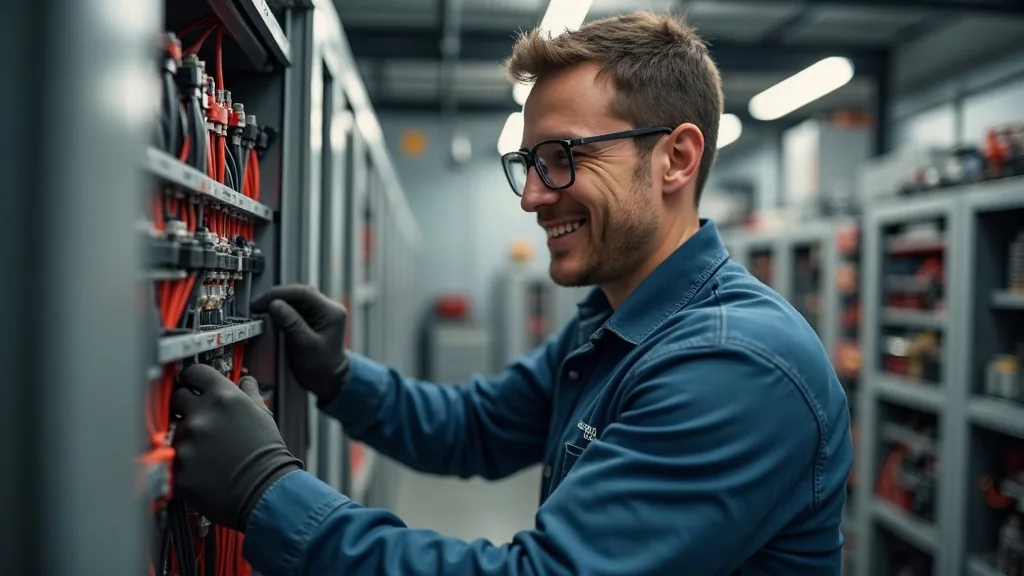
Garages aren't just rooms with different décor — they're a fundamentally harsher electrical environment. In Yakima, that 90°F seasonal temperature swing between winter lows and summer highs causes conduit and wire insulation to expand and contract repeatedly, accelerating wear that indoor wiring never faces.
Garage Wiring Basics: What the Job Actually Involves
Why Garage Electrical Is Different From Interior Home Wiring
Garages aren't just rooms with different décor — they're a fundamentally harsher electrical environment. In Yakima, that 90°F seasonal temperature swing between winter lows and summer highs causes conduit and wire insulation to expand and contract repeatedly, accelerating wear that indoor wiring never faces. That's why NEC 2021 and Washington State 2021 IECC both impose stricter requirements here than for a bedroom circuit.
On-the-job reality: the most common mistake we see is homeowners running standard NM-B cable (Romex) exposed in an unfinished garage. Code requires physical protection — conduit — for any exposed cable runs in a garage environment.
The Core Components: Panel, Circuits, Outlets, and Conduit
Wiring a garage shop or new garage typically involves four building blocks:
- Subpanel — A dedicated panel (typically 60–100 amps) fed from your main panel keeps garage loads isolated and gives you room to grow
- 20-amp circuits — General-purpose outlets and lighting; plan one circuit per 6–8 outlet positions minimum
- 240-volt circuit — Required for EV charging, table saws, air compressors, and welders
- EV-ready conduit — Washington State mandates a dedicated raceway to the garage for EV charging infrastructure on new construction; rough-in the conduit now, even if the charger comes later
GFCI protection is required on all garage receptacles — no exceptions under current wiring garage code.
How Garage Wiring Fits Into Your Home's Overall Electrical System
A garage subpanel pulls capacity from your main service panel, so the first real question is whether your existing panel can handle the additional load. If you're already near capacity, this is the moment to look at Pacific Power rebate opportunities on a full panel upgrade — combining both projects in one permitted pull through the City of Yakima Code Administration Division or Yakima County Building Department saves inspection fees and labor.
Expert judgment: if your main panel is older than 25 years, wire the garage last. Address the service upgrade first — trying to sequence it the other way creates rework.
Wiring a Garage Panel and Circuit Layout
Getting the panel and circuit layout right from the start saves Yakima homeowners from expensive retrofits three years down the road. Here's how to plan it correctly for this climate and these code requirements.
Choosing the Right Subpanel Size for a Garage or Shop
The most common mistake we see on job sites: homeowners install a 60-amp subpanel thinking it's plenty, then call us back when they want an EV charger and a dust collector running simultaneously. Size for what you'll need in five years, not what you need today.
- 60-amp subpanel: Adequate for a basic one-car garage with lighting and a few outlets
- 100-amp subpanel: The practical minimum for a working shop or any garage with EV charging
- 200-amp subpanel: Required when you're running heavy three-phase-equivalent loads or a detached shop with climate control
For most Yakima garage conversions and new detached builds, a 100-amp subpanel fed with #3 copper or #1 aluminum service entrance cable hits the right balance of cost and capacity.
How Many Circuits Does a Garage Actually Need?
Under NEC 2021, which the City of Yakima Code Administration Division enforces for permitted work, every garage requires at least one 20-amp circuit with GFCI protection on all receptacles. That's a floor, not a ceiling.
A functional layout for a two-car garage or light shop typically includes:
- Two dedicated 20-amp circuits for general receptacles (split across walls)
- One 20-amp circuit for lighting
- One or two 240-volt circuits for tools or HVAC
- One dedicated circuit for an EV charger
240-Volt Circuits for Tools, EV Chargers, and Yakima's Summer AC Loads
Yakima's 90°F summer temperatures aren't just uncomfortable — they push portable AC units and mini-splits hard enough that undersized wiring gets warm in the wall. We've pulled conductors from garages where someone added a window unit to a shared 20-amp circuit and the insulation was heat-brittle within two seasons.
A dedicated 240-volt circuit for cooling starts at a 30-amp, 10-gauge run. Level 2 EV chargers typically require a 50-amp, 6-gauge circuit. Both are straightforward permits through the Yakima County Building Department and may qualify for Pacific Power rebates on qualifying panel upgrades — worth confirming before you finalize your scope.
Washington State's EV-Ready Conduit Requirement and What It Means for New Builds
Under Washington State 2021 IECC, new attached garages must include an EV-ready conduit pathway — a raceway from the panel to the parking space, even if no charger is installed yet. This isn't optional on permitted new construction.
Cutting through finished walls later costs three to five times that. Pull the permit, install the conduit, and leave yourself the option.
Wiring Garage Code Requirements and the Permit Process in Yakima
Skipping the permit is the single most expensive mistake Yakima homeowners make when wiring a garage.
NEC Rules That Apply to Every Garage: GFCI, Outlet Spacing, and Conduit
Under NEC 2021, every 125-volt, 15- and 20-amp receptacle in an attached or detached garage requires GFCI protection — no exceptions. Outlet spacing follows the standard residential rule: no point along a wall should be more than six feet from a receptacle. For a wiring garage shop setup, you'll also need at least one dedicated 20-amp circuit for tools, and any 240-volt circuit serving equipment like a compressor or welder must be sized to match the load, not rounded down.
Conduit is not optional in most garage installations:
- Exposed wiring on walls or ceilings must run in conduit or use UF-B cable in protected locations
- Washington State's EV-ready conduit mandate under the Washington State 2021 IECC requires new garages to rough in a dedicated conduit pathway sized for future EV charging — typically a 1-inch minimum conduit stub from the panel area to the parking space
Weatherproofing Requirements for Yakima's Wide Temperature Swings
Yakima's 90°F seasonal swing — from single digits in January to triple digits in summer — is brutal on outdoor-rated materials that were specced for mild climates. We've pulled out PVC fittings that cracked after just two winters because a previous installer used Schedule 20 instead of Schedule 40. For any conduit run exposed to exterior conditions or temperature fluctuation, Schedule 40 PVC or EMT with weatherproof fittings is the correct call.
How to Pull a Permit: City of Yakima vs. Yakima County Jurisdiction
Your jurisdiction determines where you file:
| Location | Authority | Contact |
|---|---|---|
| Inside city limits | City of Yakima Code Administration Division | City Hall permit counter |
| Outside city limits | Yakima County Building Department | County permit portal |
Turnaround for residential electrical permits typically runs 5–10 business days in 2026 for standard garage projects. Submit load calculations and a simple panel schedule upfront — inspectors flag incomplete submittals immediately and that restarts your clock.
What Inspectors Look For During a Garage Wiring Inspection
Inspectors will verify GFCI protection at every receptacle, confirm the subpanel is bonded correctly with a separate neutral and ground bus, and check that the EV-ready conduit stub is installed and labeled. The most common field correction we see: homeowners connecting the neutral to the ground bar inside a subpanel — a code violation that NEC 2021 is explicit about. Keep the rough-in open until after inspection; closing up drywall before sign-off guarantees a costly re-open.
Planning Your Garage Wiring Project: Next Steps for Yakima Homeowners
With your load list built and your panel size decided, the project moves from planning to execution — and that transition is where Yakima homeowners most often get tripped up.
When a licensed electrician is the right call — and when it's not optional
Some tasks have a clear legal line in Washington State. Any work involving a new subpanel, a 240-volt circuit, or the EV-ready conduit required under Washington State 2021 IECC must be permitted and inspected. Permits are pulled through either the City of Yakima Code Administration Division or the Yakima County Building Department, depending on your address — confirm which jurisdiction covers your parcel before scheduling anything.
In the field, a common mistake is running conduit before confirming the inspection route with the building department.
Do not DIY if your project includes:
- A new or upgraded wiring garage panel feeding a detached structure
- Any 240-volt circuit for a welder, EV charger, or compressor
- GFCI protection layout under NEC 2021 on a wiring new garage build
- Pacific Power rebate applications tied to qualifying panel upgrades
For experienced homeowners, adding a single 20-amp circuit to an already-permitted, existing interior garage panel can fall within a homeowner-permit scope — but verify first.
Connecting with Yakima Electricians for a licensed local contractor
Yakima Electricians connects you directly with licensed, insured contractors who work Yakima-specific code and know Pacific Power's current rebate paperwork. One call gets you a site-specific assessment — not a generic quote built on assumptions.
Yakima Electricians connects you with licensed local electrical contractors. One call, no form.
Call (509) 992-1165Frequently Asked Questions
How much does it cost to wire a garage in Yakima?
Basic single-car garages run less, while workshops with 240V outlets cost more. Always get a licensed Yakima electrician to assess your specific project for an accurate quote.
Do I need a permit to wire a garage in Yakima?
Yes, a permit is required for garage wiring in Yakima under Washington State electrical codes. The City of Yakima requires permits for new circuits and panel work. A licensed electrician can pull the permit and schedule inspections to ensure everything meets local code requirements.
How many circuits does a garage need?
A standard garage needs at least one 20-amp circuit for outlets and lighting. Workshops or garages with tools, EV chargers, or appliances may require multiple 20-amp circuits plus a 240V circuit. A Yakima electrician can design the right circuit layout for your specific usage needs.
Can I wire my own garage in Washington State?
Washington State allows homeowners to wire their own primary residence, including an attached garage, but a permit and inspection are still required. Detached garages may have different rules. Given the safety risks involved, hiring a licensed Yakima electrician is strongly recommended for reliable, code-compliant results.
What type of wire is used for garage wiring?
Most garage wiring uses 12-gauge or 14-gauge copper wire for standard 120V circuits and 10-gauge or larger for 240V circuits. In exposed areas, conduit or MC cable is typically required. A licensed Yakima electrician selects the correct wire gauge based on circuit load and local code requirements.