01
What Is an Electrical Panel Inspection?
panel scheduletorque checklabeling
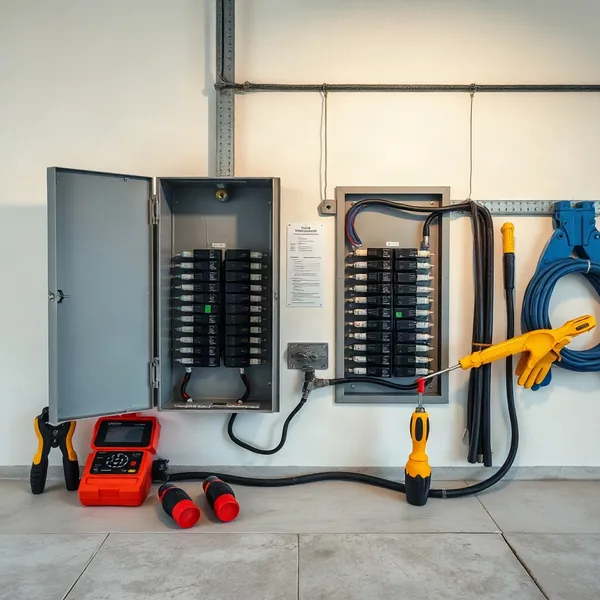
An electrical panel inspection is a structured, hands-on evaluation where a licensed electrician opens your breaker box and examines every component against current safety standards.
The inspector starts with the panel schedule — the directory that maps each breaker to its circuit — and verifies the labeling is accurate and complete. From there, a torque check confirms that every wire lug is tightened to the manufacturer's specification, because loose connections are one of the leading causes of arc faults. A thorough inspection typically takes 60 to 90 minutes for a standard 200-amp residential panel and produces a written report you can share with a buyer, insurer, or permitting office.
02
Is My Old Electrical Panel Still Safe?
corrosionscorch marksdiscontinued brands
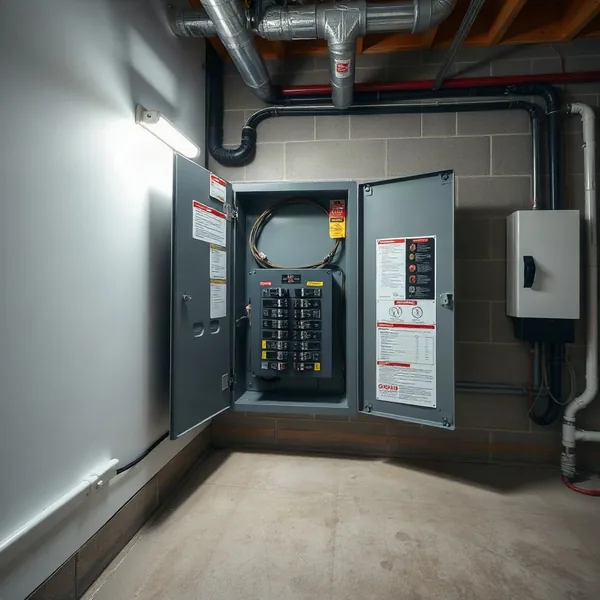
Whether an old electrical panel is still safe depends on three things you can partly check yourself before an electrician arrives: visible corrosion on the enclosure or terminals, scorch marks on breakers or the bus bar area, and the presence of discontinued brands known for fire risk. Corrosion appears as orange or white residue on metal surfaces and signals moisture intrusion. Scorch marks — even faint discoloration around a breaker — mean heat buildup already occurred. Discontinued brands like Federal Pacific and Zinsco carry documented failure histories that make visual inspection alone insufficient. Yakima's temperature swings, which regularly run from above 100°F in summer to below 10°F in winter, accelerate every one of these deterioration mechanisms.
03
How Electrical Panels Work and Why They Wear Out
breaker fatigueloose lugsthermal wear
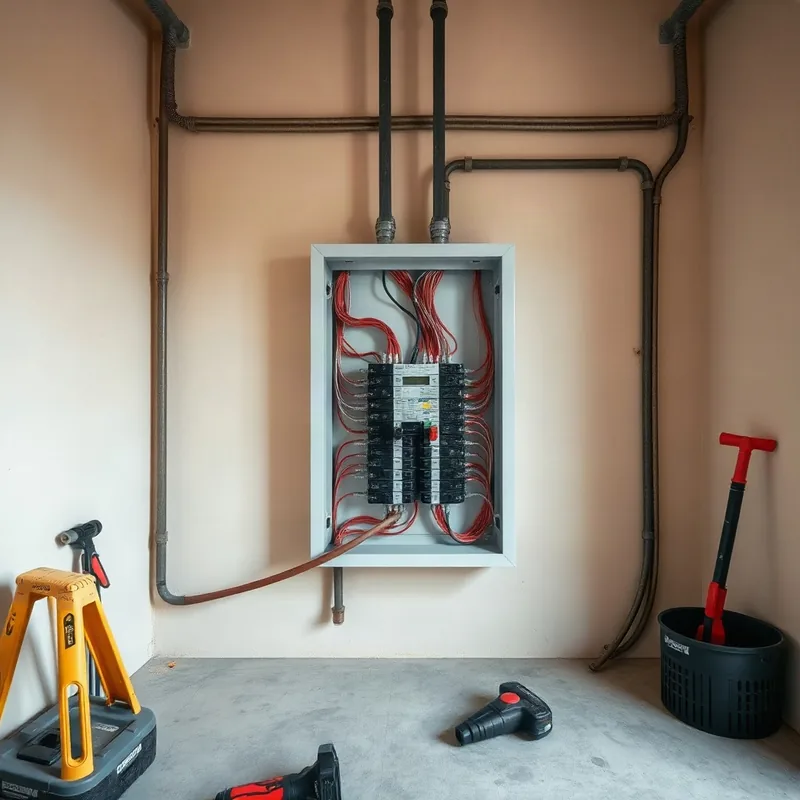
A residential electrical panel routes power from the utility feed through a main breaker, then distributes it across individual branch circuits via a bus bar.
Each breaker protects one circuit by tripping when current exceeds its rated amperage. Over time, breaker fatigue sets in — the internal bimetal strip that triggers a trip loses calibration after hundreds of thermal cycles, so an aging breaker may carry an overload without interrupting it. Loose lugs compound the problem: thermal expansion and contraction gradually back out the screw terminals, creating resistance that generates heat at the connection point. Thermal wear on bus bar contacts is the third failure mode, and it's nearly invisible without opening the enclosure and looking carefully.
04
What Is an Electrical Panel, and When Should It Be Inspected?
main breakerbus barservice panel
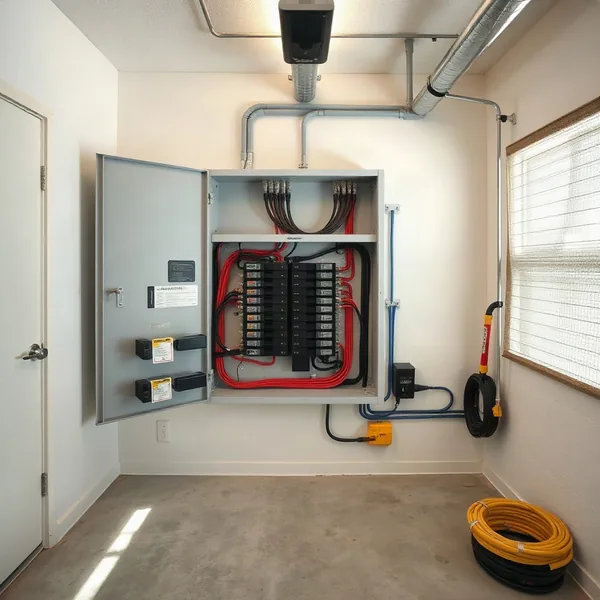
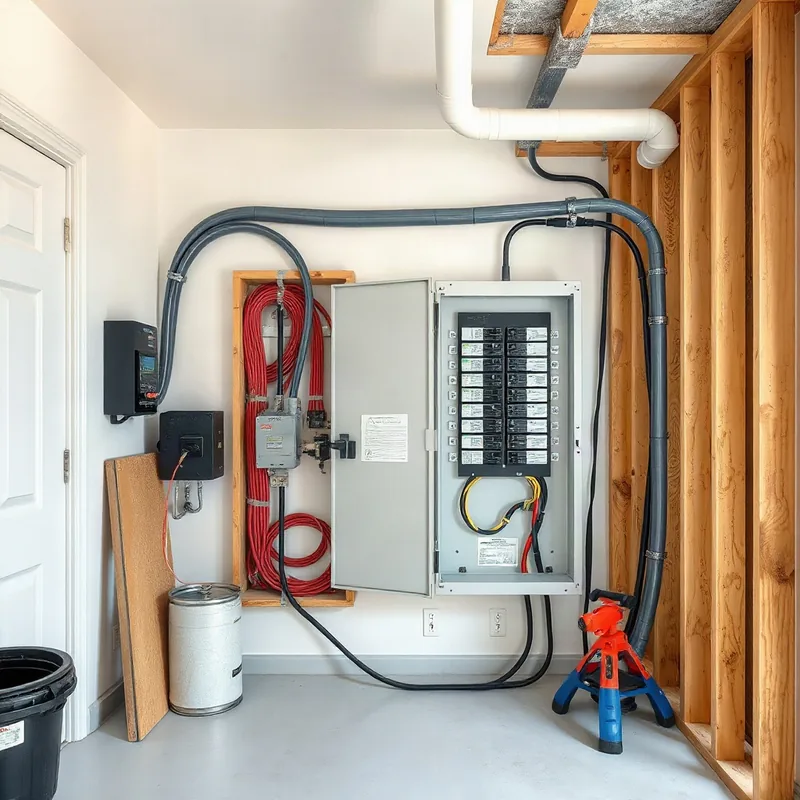
A service panel — also called a breaker box — is the central distribution point that controls every circuit in your home through a main breaker and a set of individual branch breakers mounted on a bus bar.
Inspection timing matters: most home purchase agreements now require a panel evaluation as part of the general electrical inspection, and lenders for older properties sometimes require it independently. After a breaker trips repeatedly or a burning smell appears near the enclosure, an inspection should happen within days, not weeks. Panel age is a concrete trigger too — industry guidance treats any panel 25 years or older as a candidate for evaluation, and Washington State's permit requirements mean unpermitted work on aging panels often surfaces during a sale.
05
Older Yakima Homes and Common Panel Issues
ZinscoFederal Pacificfuse box
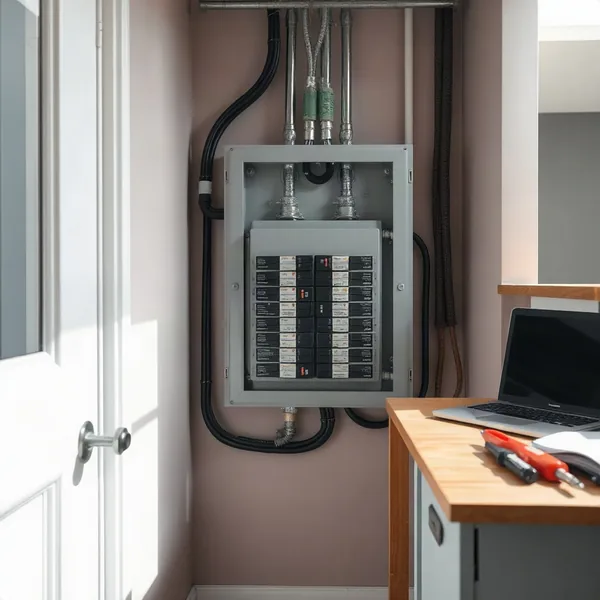
A large share of Yakima's housing stock predates 1980, which means Zinsco and Federal Pacific panels still turn up regularly during inspections throughout the city and unincorporated county areas.
Zinsco breakers are prone to welding themselves to the bus bar, making them physically impossible to shut off during a fault. Federal Pacific Stab-Lok breakers have a documented failure rate that causes them to stay on rather than trip under overload. Older properties that haven't been upgraded may also contain a fuse box rather than a breaker panel, which limits capacity to 60 or 100 amps — far below the 200 amps most modern households need. Replacing any of these panels requires permits through either the City of Yakima Code Administration Division or Yakima County Building Department, depending on your address.
06
What Happens During the Inspection Visit?
visual checkthermal signsreport of findings
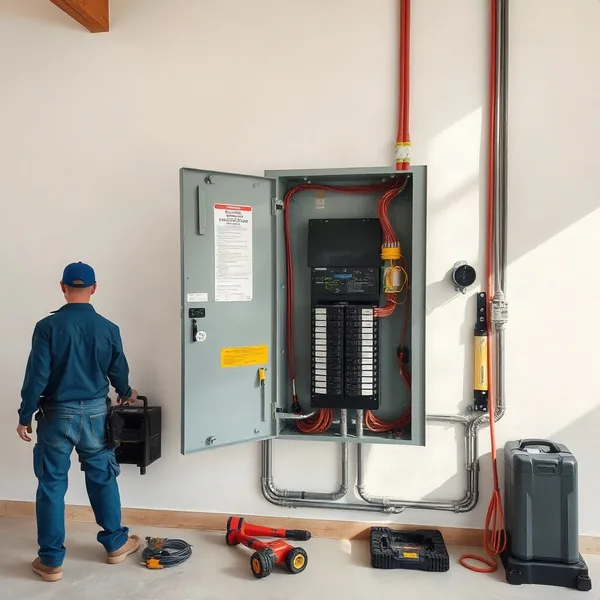
The visit begins with a visual check of the panel's exterior — looking for rust, physical damage, or signs of pest intrusion — before the electrician removes the deadfront cover.
Inside, they examine every breaker for thermal signs such as discoloration, melting, or unusual heat patterns that suggest a circuit has been running near capacity for extended periods. Wire routing, conductor sizing, grounding, and bonding are all verified. A load calculation may be performed if the homeowner is planning to add circuits, an EV charger, or a new appliance. Washington State's 2021 IECC now requires EV-ready conduit in new construction and major remodels, so inspectors often flag whether an existing panel has capacity for that addition. The visit closes with a written report of findings the homeowner can act on.